Simplicity Isn’t Sober: How Drunk Grandmas Can Help Your Campaigns
Category: Uncategorized
Normally, in the early stages of campaign planning, one of the first key steps is to identify a target audience. From small events to national launches, any good campaign has an idea early of who they’re talking to. But, beyond the target audience, one viral idea offers another key demographic to bounce ideas off of: Drunk grandmas. And although it sounds silly, there is some merit to this thought. Recently, on TikTok, user Graydon Lawson (Graydon’s Digital Marketing) has gone viral with this very idea, posting about the “Drunk Grandma Marketing Trick” for the first time on September 10 and receiving almost 34,000 likes and 293,000 views to date.
Keep it simple = more sales Marketing can get over complicated, do this test after you make ads, landing pages, emails, etc. #shopify#ecommerce#marketing#facebookads
“Sometimes, you just gotta pretend you’re a drunk grandma,” Lawson opens with in the video. “Every time you edit your website or an ad, think to yourself: Would a drunk grandma understand this?”
Lawson then points out an example of this theory in action with a graphic discussing Apple’s iPod versus a competitor. According to him, audiences can comprehend the message on the right much more easily than the competitor’s message, and it’s evident that the technical terminology of the storage might be too much to comprehend at first glance, but the “1,000 songs” are easily digestible. This matters to all communicators because, ideally, the more efficient your message is, the less brainpower it will take your audience to comprehend and digest before they adopt your products or services and buy into your message.
The viral video concludes with Lawson telling the audience, “If drunk grandma does not understand, help her out – Simplify it.”
It’s certainly silly in its delivery, but the messaging behind this trick is spot on. In any media work that’s done – advertising, public relations, graphic design, web design, videography, etc. – the message should be clear and concise, both in copy and in design. Take Martin Hall Agency and our work as an example: If our wonderful client, Sunset Berry Farm, tasked us with print advertisements for the upcoming berry season, would a poster read better with the farm’s entire product offerings, or imagery of berries and the tagline “Farm, Fresh, Fun?”
By keeping this idea at the forefront during the creation of your deliverables, you increase the likelihood that your target audience will understand and comprehend your message, ultimately leading to the greatest chance of a successful execution. When in doubt, let the drunk grandmas help you figure it out!
Background: Nestled in Alderson, WV, Sunset Berry Farm is known for more than just its award-winning strawberries. Owners Kent and Jennifer Gilkerson have created a warm, welcoming space where families and community members gather for U-Pick festivals, sunflower fields, and fresh produce at their farm stand. As the farm continues to grow, so does its commitment to making fresh, local food accessible to more people across the region. This semester, Kent and Jennifer teamed up with students from the Martin Hall Agency to explore new ways to expand their customer base, enhance their branding and physical display, and amplify their voice through social and paid media strategies.
The Challenge: While Sunset Berry Farm is already a well-loved destination, the Gilkersons are looking ahead. They want to strengthen community connections, attract new visitors, and encourage repeat customers. Specific priorities included: Increasing awareness and understanding of the GrownBy app and their ability to accept SNAP/EBT benefits Enhancing the visual appeal of their farm stand display Developing an effective strategy for social media, paid advertising, and overall brand storytelling
With these goals in mind, the Martin Hall Agency team focused on research-informed recommendations to support the farm’s continued growth.
Research Insights: To guide our recommendations, we used a multi-method research approach that included a customer survey, ethnographic observations at the farm, and a comprehensive brand audit. We uncovered three key insights through our survey of 1,533 customers, on-site interactions, and a thorough review of the farm’s visual and verbal identity.
Opportunity to Grow Awareness:
While most customers were familiar with the farm’s events, 95% had not heard of the GrownBy app, and many did not realize that SNAP/EBT benefits are accepted. This highlights a need for clearer communication about the convenience and inclusivity the farm offers. Room for Visual Impact: Our brand audit and in-person observations revealed that the current farm stand display doesn’t fully capture the colorful, inviting energy customers associate with Sunset Berry Farm’s events. There’s potential to create a more cohesive and visually engaging on-site experience. Strong Emotional Connection: A remarkable 60% of survey respondents said they had attended and enjoyed the Sunflower Festival. From our time on the farm, it was clear that these seasonal events are more than just fun, they’re a key part of how the community connects with the farm’s mission and values.
Target Audiences
We identified two key audience segments:
Local families and individuals who value fresh, local produce and community events.
New and occasional visitors who may not yet be aware of the farm’s offerings, digital tools, or payment flexibility.
The Message
For our campaign, we want to shift the audience’s opinion from thinking of Sunset Berry Farm as an occasional family-owned attraction to seeing Sunset Berry Farm as a trusted, consistent
source for fresh, local produce.
Deliverables
Our proposed deliverables include a blend of paid, owned, earned, and shared strategies to help bring this message to life and support the farm’s evolving goals.
Social Media Strategy
A refreshed content calendar spotlighting seasonal produce, events, customer testimonials, and behind-the-scenes stories
Short-form videos and reels to drive engagement across Facebook and Instagram
Community-driven campaigns (e.g., photo contests, “meet the farmer” posts)
Paid Media Support
Targeted digital ads promoting events, market days, and GrownBy app usage
Billboard designs with clear calls-to-action
Print ads for local publications and community newsletters
Branding & Display Enhancements
Ideas for updating the farm stand with more cohesive signage, product displays, and storytelling elements
Directional signage to guide customers to the farm and enhance the overall visitor experience
A customer loyalty card program to encourage repeat visits and reward regular buyers
Posters and brochures that highlight key messages, seasonal offerings, and how to use the GrownBy app
QR codes at checkout points linking to app downloads, loyalty program info, or event calendars
Outreach, PR & Education
Simplified messaging around SNAP/EBT and app usage to reduce barriers for new customers
A public relations “PR Box” campaign to generate buzz, featuring branded farm products and event invites for local media and influencers
Templates for flyers and handouts to be distributed at markets, community events, and through partner organizations
Farm-branded swag (e.g., stickers, totes) to extend brand visibility and deepen customer connection
Success and Results
We’ll measure success through both online and on-farm signals:
Increased foot traffic and event attendance, especially among new and returning customers
Greater engagement on social platforms, including shares, comments, and video views
Upticks in app use and digital interactions, like QR code scans or loyalty sign-ups
More cohesive, attractive on-site experiences, reflected in customer feedback and repeat visits
Expanded brand visibility through local media features, online buzz, and word-of-mouth
Ultimately, success will be defined by how well the farm’s values and offerings connect with the community, both old friends and new faces.
Want to stand out in a crowded market? Micro-influencers are the secret weapon your brand needs to build real connections and boost authenticity like never before. Instead of relying on celebrities, brands are turning to micro influencers social media personalities with smaller but highly engaged audiences. Seen as relatable and trustworthy, they shape consumer opinions in a way that feels natural. From beauty to travel, businesses are using micro influencers to build credible and effective PR campaigns.
TikTok’s Micro-Influencers: The New Fashion Trendsetters
With apps like Tik tok micro influencers are all over. Unlike celebrities and macro-influencers, micro-influencers form strong bonds with their audiences, making their recommendations more credible. Younger generations use social media apps as their news app and because of this shift it is important for PR professionals to keep up with the trends.
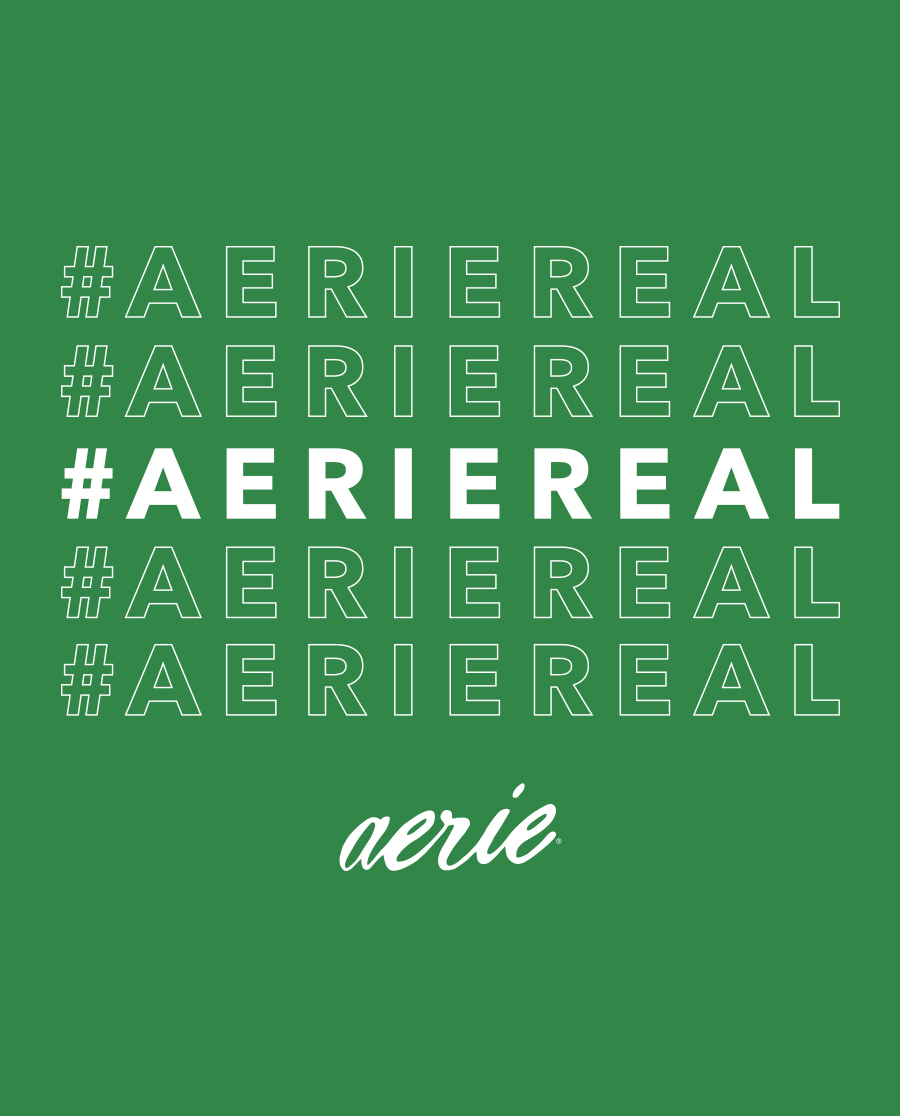
One notable example of a brand successfully utilizing micro-influencers on TikTok is Aerie, an intimate brand. With their #AerieREAL campaign, Aerie is focused on promoting body positivity and inclusivity by partnering with micro-influencers to share unfiltered and real-life experiences. This strategy had a transformative effect on the brand’s image, driving increased engagement and sales. Rather than relying on high-profile celebrities, Aerie tapped into the authenticity of micro-influencers who resonated with their audience by showcasing Aerie products without digital retouching.
Aerie. (2020, January). Aerie Real Life Summit event. American Eagle. https://www.ae.com/aerie-real-life/wp-content/uploads/2020/01/arl_events_summit.jpg The #AerieREAL campaign was a success not only because it embraced inclusivity but also because it created genuine and relatable content. By collaborating with micro-influencers across diverse backgrounds, Aerie fostered a sense of trust and community that larger influencer campaigns may not have achieved. These influencers’ personal stories and experiences helped promote the message that Aerie’s products were designed for real, everyday women. The success of the campaign proved that authenticity and relatability could drive consumer loyalty in a way that traditional advertising cannot.
TikTok, with its algorithm designed to push viral content, has become the perfect platform for brands to collaborate with micro-influencers and watch their products go viral. Brands like Aerie have capitalized on TikTok’s viral nature by focusing on trends and hashtags that resonate with users, such as #AerieREAL. As a result, TikTok influencers have helped to shape fashion trends, from body-positive messaging to product hauls and try-on sessions, further solidifying the platform’s power in driving fashion-related PR success.
Glossier’s Rise: The Power of Everyday Influencers
Glossier is a beauty company known for its perfumes and makeup products. Glossier was founded in 2014 by Emily Weiss. They have revolutionized the beauty industry by harnessing the power of micro-influencers to foster authentic connections with consumers. By collaborating with individuals who have smaller yet highly engaged followings. Glossier likes to engage in a way that feels personal and trustworthy. Glossier runs an affiliate program that micro influencers can apply for if they choose!
At the heart of Glossier’s marketing strategy lies the idea of community-driven PR. The brand has crafted its entire business model around connecting with real people rather than relying on traditional advertising. One of Glossier’s most famous campaigns, “You Look Good,” is the perfect example. This campaign encouraged women to embrace their natural beauty and focus on skin first and makeup second. This made women feel included and seen. Glossier’s goal was to create a beauty movement. The result is a level of trust that cannot be replicated by conventional campaigns.
Image courtesy of Glossier via source.
One of Glossier’s most effective tactics is its emphasis on user-generated content (UGC). Through dedicated hashtags and social media challenges, the brand encourages its customers to post photos and reviews of their favorite products. Glossier doesn’t just ask for this content, they actively reshare it across their social media platforms. By doing so, the brand makes its customers feel seen, while also showcasing the real-life results of their product.
One of Glossier’s most effective tactics is its emphasis on user-generated content (UGC). Through dedicated hashtags and social media challenges, the brand encourages its customers to post photos and reviews of their favorite products. Glossier doesn’t just ask for this content, they actively reshare it across their social media platforms. By doing so, the brand makes its customers feel seen, while also showcasing the real-life results of their product.
The impact of Glossier’s micro-influencer strategy is clear. Not only has the brand created a loyal customer base, but it has also grown organically. Instead of pushing for hard sells, Glossier has allowed its community to do the talking for them. According to research, brands that focus on user generated content experience higher engagement levels and more trust from their audience. Glossier has capitalized on this trend and the results speak for themselves!
Micro-Influencers in the Food Industry: Micro-influencers have also made a significant impact in the food industry. Brands like HelloFresh and Blue Apron have tapped into the power of smaller, niche influencers to showcase their meal kits. These influencers often focus on topics like cooking, healthy eating, or time saving meals, making them the perfect fit for sharing real life meal experiences!
By featuring how they use these meal kits in their everyday lives, micro-influencers create content that feels authentic and relatable. This approach not only boosts brand awareness but also fosters a sense of trust with their audience, something that traditional advertising methods like TV commercials or print ads can struggle to achieve.
Authenticity Sells: Why Micro-Influencers Work Authenticity is crucial in today’s marketing landscape, and micro-influencers excel in this area. These influencers create genuine connections with their audience, making their recommendations feel more like trusted advice rather than a sales pitch. Unlike traditional celebrity endorsements, micro-influencers often share personal, relatable content, offering honest product reviews and relatable experiences. This transparency builds credibility and strengthens trust, which leads to higher conversion rates. Consumers enjoy following niche people they relate to. When followers believe an influencer’s opinion is genuine, they’re more likely to take action.
Rare Beauty is a prime example of how micro-influencers can build authentic connections with audiences. Instead of relying on big-name celebrities, Selena Gomez’s brand partners with relatable influencers who share its values of inclusivity and self-love. This strategy fosters genuine relationships and resonates deeply with consumers, who prioritize authenticity over polished ideals. Rare Beauty’s mission, “We believe in the beauty of imperfections,” reflects this approach, proving that success today is rooted in trust and real human connections.
Statistically speaking, the larger an influencer’s following, the more costly it is to work with them. Micro-influencers are typically easier to partner with, resulting in a better ROI. They also make up a larger share of the market. According to Spiralystics, 47.3% of all creators are micro-influencers, making them the largest group among all tiers. Meanwhile, celebrities, macro-, and mega-influencers account for only 0.5-6.5% of all content creators. The demand is higher as well, with 90% of surveyed marketers claiming they prefer working with micro-influencers, a 10% increase from the previous year, which boasted an impressive 80% in 2020.
Micro-Influencers: Shaping the Future of PR Through Authentic Storytelling
In conclusion, Micro-influencers are a valuable asset to PR professionals who understand the power of authenticity. Their ability to build trust, meaningful connections, and drive consumer action will continue to play a central role in shaping the future of public relations. Whether it’s through viral TikTok campaigns, everyday beauty influencers, or niche communities, the influence of these smaller voices cannot be overlooked.
Over the years, influencer marketing in the beauty industry has become a powerhouse. Brands have taken extreme measures, such as gifting insane products to influencers or paying them thousands for paid media. Navigating this world can be challenging, especially when deciding when to use earned and paid media. Each approach has different advantages and challenges that can impact a brand’s visibility and credibility. Understanding the difference will prepare you to make informed decisions that benefit your brand in an overwhelming industry.
The Unique Marketing Strategy that is Earned Media
Earned media is a unique strategy that fosters genuine connections between an audience and a brand. This form of marketing relies on influencers sharing the brand because they genuinely love the products, not because they are getting paid. It is valued so much because of its authenticity. Consumers are more likely to trust recommendations from influencers who genuinely like a product rather than those getting paid to promote it.
Earned media can be achieved through blog posts, social media mentions and product reviews.
These three photos were taken as screenshots from Shadriana Lyrae, Kristi Howard, and Emma Jordyn’s TikTok videos, sharing an insane number of public relations boxes they have received.
An Expensive Public Relations Gift could be Cheaper than Paid Media
A prime example of earned media is Tarte’s gifting Hermès bracelets to a select group of influencers on its public relations list. As these public relations packages started showing up on these influencers’ doorsteps, they posted videos on social media sharing the luxurious gift with their followers. Not only were people sharing their thoughts on this type of gift, but news articles also discussed this controversial topic.
Although this topic turned out to be quite controversial on social media, it earned Tarte a lot of earned media. Yes, they spent $700 on each bracelet, but in the long run, it was way cheaper than spending a couple thousand on paid ads from different influencers.
These three photos are screenshots from Alexis Oakely, Kathleen Post, and Katie Ritchiie’s TikTok videos. In them, they share the Hermes bracelet they received in public relations from Tarte Cosmetics.
Paid Media: A Popular Tool among Beauty Brands and Influencers
Paid media is any advertising that involves financial compensation from the brand for promoting a product or service. This strategy increases brand awareness and drives sales. Social media is the most popular type of paid media in the beauty industry. Platforms like Instagram, Facebook, and TikTok can be effective for brands because of the large number of people on them. Other examples of paid media include display advertising, print advertising, affiliate marketing, and influencer collaborations.
These three photos are screenshots from Lindsay Arnold, Samantha Janessa and Katie Fang’s TikTok videos demonstrating a paid partnership.
A Paid Collaboration with Sephora is Every Girls Dream
Sephora’s advertising for the beginning of November 1, 2024, is an excellent example of paid media. Sephora is currently advertising this event, which is quickly approaching. Sephora has been paying influencers to post videos sharing products that they love. All the products these influencers include will be available during the saving events.
Sephora is paying each influencer a lot to post video ads about upcoming savings events. Although the ads can be pricey depending on the influencer chosen, the impressions they receive usually pay for themselves.
These three photos are screenshots from Lauren Kim, Saby Hesri, and Eloise Dufka’s TikTok videos promoting the Sephora sale.
The Challenges and Benefits of Earned and Paid Media
Earned and paid media have many pros and cons. Although they work in different ways, they can be very beneficial if done correctly.
Earned media pros:
Brand exposure: When earned media is displayed to viewers, it can result in conversation, cross-engagement, and word of mouth. Although the action of buying the product may not come immediately, it can lead to an interest in the brand and a purchase later on.
Trust: Earned media produces authentic endorsements from influencers who genuinely love a brand’s products or services. Because of this, viewers will form connections and develop confidence in the influencer’s recommendations.
Cost-effective: It is free or low cost to achieve earned media. It may take time, but if a product is truly that good, earned media will eventually surface at little to no cost.
Earned media cons:
Lack of control: Earned media allows influencers to express how they truly feel about a product or service, but it may only sometimes be favorable to the brand. No brand can control the type of earned media it receives or what is said.
Challenging to obtain: Building authentic relationships with influencers can take time, resulting in a slower process. Your product must stand out from other products to achieve earned media, which can be difficult sometimes.
Difficult to measure: Earned media can appear on many different platforms, making it more difficult to measure overall success.
Paid media pros:
Instant results: Brands can see quick results from paid media, such as website visits and social media interactions. The instant traffic and engagement contribute to a faster turnaround.
Measurable performance: Paid media can be easily tracked using metrics such as click-through rates, conversion rates and return on ad spend. This allows brands to measure the success of a specific ad.
Targeted reach: Paid media allows brands to target the audience they want to reach. This ensures the ad reaches the target audience, which will interact with the brand.
Paid media cons:
High-cost: Paid media can be an expensive method of advertising. The price breakdown depends on the platform type, target audience and placement of the ad.
Limited organic growth: Relying too heavily on paid media could affect the process of creating an authentic relationship with viewers, leading to missed opportunities.
Potential negative views: Viewers could view paid media as bad since they are less authentic. This can lead to distrust among consumers.
But Which is the Best for You?
Making a clear decision on when to use earned and paid media can be challenging for brands. Earned media is a great way to build an authentic relationship with consumers, but you can’t plan when you will receive earned media. On the other hand, paid media allows brands to reach their target audience and drive sales, all while seeing almost instant results. Earned and paid media are two great strategies that all brands should incorporate in their marketing strategy.
Understanding how earned and paid media work and the benefits and challenges associated with each is essential to any brand. Both strategies have pros that can benefit any brand. The key to a successful marketing plan is incorporating many different strategies to create a balanced plan.
Think about our lives on social media. It’s not the same as being famous, but some similarities exist. Posting online is like signing a contract with everyone who follows you. You’re sharing parts of your life with an audience, letting people in on what you’re doing, wearing, and even how you’re feeling. Just like we look up to celebrities, people look at us, too, especially in college, where social media is a big part of staying connected.
But where’s the line? No one is perfect, yet we tend to hold people online to a different standard. We love seeing celebrities make us laugh, inspire us with fashion, or write us songs. But when they slip up, say or do something controversial, or post something we disagree with, suddenly, the love isn’t so unconditional.
It’s the same with our friends or classmates on social media. We might admire someone’s posts or online presence, but our perception can shift the minute they share something we don’t like. Social media makes it easy to judge and assume we know the whole story. We only see a small part of someone’s life. So, how much should we share, and how much should we judge? That’s the hard question in a world where so much of our identity is tied to what we put online.
Let’s take a look at some celebrity missteps and recovery to see what we can learn.
Zach Bryan: Throws Shade at Taylor Swift After Eagles’ Crushing Loss
Zach Bryan, a rising country music sensation, has quickly become a household name thanks to his raw, emotionally charged lyrics that have struck a chord with fans nationwide. His authenticity and unapologetic approach to songwriting have garnered him a dedicated following, but not without a fair share of controversy along the way. While his music resonates deeply with many, his personal life has also been a source of public scrutiny. One of the more well-known scandals involved his marriage to Rose Madden, a fellow Navy service member. The two married during their time in the military, but their relationship took a rocky turn when Zach reportedly sent Rose divorce papers while both were stationed away from each other, an act that stirred up a great deal of drama and became a focal point for gossip.
However, his latest scandal has truly set the internet ablaze and placed him squarely in the middle of an ongoing cultural feud. The controversy began after the Philadelphia Eagles’ devastating loss to the Kansas City Chiefs. When Zach posted a tweet that read, “Eagles > Chiefs… Kanye > Taylor.” While Zach explained that he was expressing his frustration as a passionate Eagles fan, his tweet quickly drew the wrath of Taylor Swift’s fans, known as “Swifties,” one of the most vocal and protective fanbases on the internet. The “Kanye > Taylor” portion of his message referenced the infamous 2009 MTV Video Music Awards incident, where Kanye West stormed the stage and interrupted Taylor Swift’s acceptance speech, declaring that the award should have gone to Beyoncé.
Despite Zach’s claim that he didn’t realize the gravity of the feud between West and Swift, his tweet was seen as a direct insult to the pop star. It ignited a firestorm of criticism and backlash from Swift’s loyal followers, who took to social media to defend their idol. The tweet not only reignited a long-standing feud but also highlighted the precarious position of public figures like Zach, who must navigate the ever-present scrutiny that comes with fame in the digital age.
Zach responded with an apology saying, “for the record guys I wasn’t coming for Taylor the other night, I was drunkenly comparing two records, and it came out wrong.”
From his response, we learned that sometimes it is best to be honest. He admitted to drinking too much in order to relate to his audience. Zach also acknowledged that the tweet was not what he meant to say. He was coming from more of a football standpoint because Swift dates Chiefs player Travis Kelce.
This response is an example of what the public wants to see which is honesty and understanding. This is a Do!
Although Zach handled this mistake well the public still doesn’t forgive him for a lot of his past controversies, like cheating on his wife and using foul language and tweets.
Sometimes, celebrities dig holes too big to climb out of.
Alix Earle: In Hot Water After Past Tweets of Racial Slurs Come to Light
Alix has taken the internet by storm in the past year. She is loveable, unique, and creative, which has made her a favorite in the public eye. She is our current “it” girl.
When someone is so popular and relatable, it is heartbreaking when they mess up, especially when it is not very often that they come out this way.
Old tweets from Alix Earle’s early high school and middle school years recently resurfaced, revealing her use of racist and offensive language. As these posts began circulating, fans and viewers expressed strong disappointment and anger, voicing that they were reluctant to continue supporting someone who had made such derogatory remarks, regardless of how long ago they were written.
Initially, Alix committed a major public relations misstep by staying silent. She continued to post content as usual, as if the controversy didn’t exist, adding fuel to the fire. Her followers quickly noticed the lack of acknowledgment, and frustration mounted in her comment section, which soon flooded with demands for an explanation and calls for accountability. As negative feedback swarmed her posts, Alix’s online reputation and platform began to take a serious hit, with her influence seemingly on the verge of crumbling under the weight of the scandal.
Under mounting pressure, Alix eventually broke her silence, releasing a formal apology. She expressed regret, acknowledging that her past tweets did not reflect her current values or who she is. She apologized for her decision to delay addressing the issue in her statement, recognizing that her initial silence had only made matters worse. She took accountability for her actions, explaining that she was committed to growth and ensuring her platform would be a positive and inclusive space moving forward. You can read her full apology here.
Since her apology, Alix has managed to rebuild her reputation, with many fans choosing to forgive and move on. Though the scandal left a mark, her transparency and apology seemed to resonate with her audience, who have since turned their attention to other controversies, allowing Alix to regain her footing in the world of social media.
APOLOGIZING TECHNIQUES THE PUBLIC DOES AND DOES NOT RESPOND TO:
It is not always easy to understand the intense backlash these people receive, but they did sign a contract with us in a way to put their life online and be uniquely themselves. In situations like these we must take what we can get.
Social media can be one of a brand’s greatest assets in the digital age. It is a great tool, especially when addressing urgent issues. With the ability to reach millions of people in real time, social media offers many different communication opportunities. However, in times of crisis, this same power can quickly become a liability. A single misstep can lead to widespread backlash, misinformation, and long-lasting reputational damage.
For brands, mastering social media crisis management is not just important; it’s essential. In this guide, we’ll examine how to effectively navigate social media during crises, using a real-world example of the Balenciaga ad scandal to highlight common mistakes they made and suggest ways to improve.
Case Study: Balenciaga’s Social Media Crisis
In 2022, luxury fashion brand Balenciaga released a campaign that quickly spiraled into a crisis. The campaign featured children holding teddy bears dressed in sexually explicit clothing, which sparked immediate outrage. The public response was intense, with accusations of inappropriate and disturbing imagery.
Balenciaga’s initial response was a statement of apology, but it failed to address the core concerns. The brand’s apology felt cold, lacked emotional engagement, and did not offer clear, specific actions to improve the situation. While Balenciaga removed the controversial images and issued another apology later, the damage had already been done.
Lessons Learned: What Went Wrong?
Balenciaga’s response to the crisis shows several crucial missteps from which other brands can learn. Here’s what went wrong:
Delayed Response: Balenciaga took too long to respond to the backlash. Speed is essential in times of crisis. A delay can make the situation worse and fuel consumer negativity.
Lack of Emotional Transparency: The initial apology was short and lacked emotion. A crisis response must be heartfelt and empathetic, showing that the brand understands the pain caused and is genuinely committed to change.
Vague Apology: The apology was too general, offering no specifics on how the brand would improve the situation or prevent a similar incident from occurring again. Brands must be clear about the actions they will take to demonstrate accountability.
Failure to Engage the Audience: The response felt disconnected from the people hurt by the campaign. Effective crisis communication requires active engagement, not just a one-sided statement.
How to Do Better
Now that we’ve seen where Balenciaga went wrong, let’s learn how to manage a social media crisis more effectively. Here are some steps for turning a crisis into an opportunity to rebuild trust.
Respond Quickly, But Thoughtfully
Speed matters, but so does the thoughtfulness of your response. A delayed response can be seen as neglect.
Do: Acknowledge the issue promptly, even if it’s just to confirm that you are aware of the situation and are investigating.
Don’t: Wait too long to react, or delay the apology in hopes that the crisis will die down on its own.
Show Emotion
Your brand’s voice should be empathetic during a crisis. Customers want to see that the company genuinely cares about the damage and is committed to addressing it.
Do: Use an emotional tone that acknowledges your audience’s pain and frustration. Video statements are a great way to do this.
Don’t: Issue a robotic-sounding apology that doesn’t reflect the seriousness of the situation.
Provide Clear Actions
A vague apology isn’t enough. Your audience will want to know exactly what steps you’re taking to correct the situation and prevent similar incidents from occurring in the future.
Do: Outline the specific actions the company is taking to clear the issue, including any policy changes and training initiatives.
Don’t: Offer empty promises without steps that demonstrate real accountability.
Build a Crisis Communication Plan in Advance
The best time to prepare for a crisis is before one happens. A clear, pre-approved crisis communication plan allows brands to respond quickly and confidently when the unexpected occurs.
Do: Develop a crisis communication plan with key messages, media contacts, and protocols for various types of crises.
Don’t: Wait until a crisis hits to start thinking about your response strategy.
Conclusion: Turning Crisis into Opportunity
In social media, how you communicate in times of crisis can make all the difference. A timely, transparent, and heartfelt response can turn a potential PR disaster into a chance to strengthen your brand’s relationship with its audience.
Do you remember when Pepsi’s ‘Live for Now’ ad featuring Kendall Jenner sparked chaos instead of connection? The ad featured Jenner leaving a photoshoot to join a protest. Once at the protest, she handed a police officer a can of Pepsi as a peace offering. The ad, meant to convey unity, sparked outrage instead. Viewers felt that Pepsi’s ad trivialized the significant social issues occurring around the world. This marketing misstep from Pepsi may not have caused long-term damage to its bottom line, but it left a lasting impression on the public—one that many still remember with a cringe.
Storytelling in advertisements requires more than a popular celebrity or catchy phrase; it requires a deep understanding of the brand’s audience and an authentic understanding of the issues and emotions the brand wants to trigger in viewers.
The Power of Storytelling in Shaping a Brand
In a crowded market, storytelling allows brands to be different. Telling the right story has the power to make an unforgettable brand. Brand storytelling humanizes a brand; it creates an emotional response, allowing viewers to connect with the brand on a deeper level. By using storytelling techniques, brands can effectively express their values and personality to set them apart from competitors. By learning the audience, brands can know which emotion to invoke in viewers to create a successful storytelling campaign.
But, what is the best approach? Is it laughter or a humanizing connection? Let’s take a closer look at each.
Creating Bonds Through Laughter
Humor can be a powerful tool in brand storytelling. A clever ad or well-timed joke can leave a lasting impression on audiences by breaking down barriers and making the audience more loyal and accepting of the brand.
Humorous storytelling should never feel forced; it should serve a purpose that aligns with the brand’s values and personality. Brands should find their humorous voice and style to showcase a point, not just be funny.
There isn’t just one type of humor in storytelling. Finding the right humor for a brand is important. If the wrong humor or emotion is invoked, brands can receive backfire and seem insensitive when the wrong humor is used. Knowing your audience and what makes them laugh will help you find the right humor for the storytelling campaign.
Now, let’s look at a brand that got it right, and one that towed the line.
Heineken’s Humorous Success Story
To celebrate Heineken’s 150th anniversary in 2024, the company made a humorous commercial aimed at people not knowing how to spell their brand’s name. The commercial showed the beer being represented in 192 countries and no one knowing how to spell Heineken. In one clip, a man was getting a tattoo of the logo, and the artist asked, “Wait, how do you spell it?” and then showed the tattoo being spelled wrong.
Heineken took a humorous approach to celebrate their 150th anniversary, which worked out greatly for them as they even won an award in the gold category at the Cannes International Festival of Creativity. Heineken created a light-hearted, successful, humorous commercial that caught the attention of viewers and created a lasting impact as well as got more people to be able to spell the brand’s name right!
Boot’s UK created a Christmas commercial for the 2024 season that sparked controversy. Most are used to the homey, traditional Christmas television advertisements, which is not what Boot’s did. The commercial showed Mrs. Claus tending to her lazy husband, Santa Claus. The ad, meant to be humorous, showed Mrs. Claus making Christmas magic happen instead of Santa Claus.
Many people, specifically women, love the ad. In a TikTok video comment, one woman said, “Obsessed, finally women get the credit for making Christmas amazing !!!” In the same video, a man commented, “Everyone saying what’s wrong, they show the white man as a fat lazy person and everyone doing the work is black and a woman.”
On one end, women love this ad because they believe they are finally getting the recognition they deserve for making Christmas magical. Conversely, men hate the ad because they believe they are seen as not doing anything besides sleeping and being lazy during the holidays.
When done correctly, emotional storytelling can also stand out and create long-lasting connections between brands and their audience. Emotional storytelling in brands is meant to tap into the hearts, experiences and relationships of human beings. Emotional connections are what drive actions and create memorable impacts. Once a consumer associates a brand with a meaningful emotion or connection, their loyalty is more likely to remain in the said brand.
Think about the last time an ad from a brand sparked an emotional response from you – more than likely, you will associate a memorable experience with that brand. When done right, emotional storytelling has endless capabilities. When done wrong, disaster and severe backlash can ensue for that brand.
To successfully execute an emotional storytelling approach, brands must define their story before launching a campaign. Emotional marketing should enhance a brand’s story, not overshadow it.
Now, let’s look at the success and failures of emotional storytelling for brands.
The Success of Dove’s “Turn Your Back”
Dove’s 2024 Turn Your Back campaign harnessed emotional storytelling to challenge society’s beauty standards. The campaign encouraged TikTok users to reject the bold glamour filter, which completely alters a person’s appearance, promoting unhealthy beauty standards.
The ad features people using and speaking on the bold glamour filter while sharing heartfelt reflections, accompanied by evocative music. It then encourages users to turn their back on the filter and to celebrate individuality and authentic beauty.
Launching during peak popularity with the bold glamour filter, the campaign struck a chord with TikTok users. The campaign was such a success and helped redefine beauty standards as Dove empowers people to embrace real beauty in their campaigns.
Other brands have not been as successful in their emotional storytelling approaches. Let’s look at an example of a failed emotional storytelling campaign from a brand.
Coca-Colas AI Failure
Coca-Cola is being slammed for its 2024 Christmas advertising that was generated by AI. Social media users are showing the company disgust for using AI. As AI advances, it is slowly being brought into the advertising world, which many are not happy about. Coca-Cola released three short ads using AI software.
The ads are quick montages showing smiling faces and wanting viewers to feel nostalgic and emotional over the holiday joy captured in the videos. The videos are simple and only focus on smiling faces and trucks passing by in a winter wonderland.
Social media viewers do not believe that Coca-Cola should have used AI to generate the company’s holiday commercials. One user commented, “Billion almost trillion-dollar company cutting costs at ads.” Another user commented on the same video, “Having the strapline “real magic” with an ad made of fake images is not good for brand reputation.”
Viewers are disgusted with Coca-Cola for cutting advertising costs and using fake images and videos to try and display the magic of Christmas. The backlash the company has received has not stopped since putting out the ads.
Storytelling is more than just a campaign strategy; it requires in-depth research and a deep understanding of your brand’s core message and target audience.
When choosing between humorous and emotional storytelling, brands must carefully consider aspects like tone, message focus, and the emotional engagement they want to adopt. Different types of humor—from dark to light-hearted—can provoke varied responses, so choosing one that aligns with the audience’s preferences and expectations is important. Emotional storytelling also comes in many forms, and the brand’s core message should guide selecting the most fitting approach.
Understanding the level of emotional engagement within the audience is crucial in shaping the campaign; some audiences may naturally connect through humor, while others respond better to heartfelt messages. Ultimately, defining your brand’s voice, values, and core messaging is the foundation for building effective storytelling strategies. A clear grasp of what your brand represents and what resonates with your target audience will help ensure your storytelling campaign hits the successful mark.
Brand jingles are something you constantly hear in your daily life. The best part of waking up for you might be the magically delicious cereal or the snack that smiles back. Your insurance might be like a good neighbor, but did anyone have to tell you the names of these brands to understand which ones they are?
So many brands have successfully rooted their recognition into a few lyrics used as a jingle to promote their products or services. These jingles are great for brand recognition, but how impactful are jingles on a company’s success?
Many brands incorporate their company name directly into their jingles. Perhaps the most on-the-nose is Liberty Mutual Insurance, where they simply sing “Liberty, Liberty, Liberty, Liberty.” However, NJM Insurance takes an entirely different approach. The acronym NJM stands for “No Jingles or Mascots,” with the tagline “just great insurance.” Comparing these two brands’ success from when they began implementing these tactics through traditional media, specifically TV commercials, we will see which approach works best for the two companies within the same industry.
The cheesy snack industry has competitors similar to those mentioned in the insurance industry. Goldfish Crackers, the snack that smiles back, has a recognizable jingle used throughout its commercials. However, Cheez-Its, a competitive brand with a smiling golden cracker, does not have a recognizable jingle to accompany its communication strategies.
This blog will dive into the effects of implementing a commercial jingle within two different industries and analyze the brands deeper in their reported statistics, brand analysis and financial earnings reports from before and after each of their campaigns or implementation of a jingle to determine how impactful jingles truly are on a company’s success. It will use a strong competing brand without a jingle to compare the achievements of each brand and determine whether or not jingles help a company succeed.
Liberty vs. NJM: The Battle in Insurance
How they started and what they created
Liberty Mutual Insurance was founded in 1912 to provide workers’ compensation insurance. Surprisingly, as recently as 2019, the insurance company shared its first commercial that ended with the iconic jingle. Liberty Mutual was no stranger to commercial advertising before implementing its Jingle; it had many commercials before 2019, using a constant location in front of the Statue of Liberty.
Liberty is also known for its dynamic duo, LiMu Emu and Doug, a team committed to ensuring customers only pay for what they need. LiMu Emu and Doug have a jingle and use a few catchphrases throughout the campaign. They were first introduced in 2019, around the same time as the new “Liberty” jingle.
NJM, founded in 1913, utilizes drastically different tactics than Liberty Mutual. They have all the promotions an insurance company would need. NJM Insurance’s name indicates that the brand uses completely different strategies. NJM, or No Jingles or Mascots, the goal in their advertising is for their recognizable aspects to be that they just have great insurance and that they don’t need gimmicks like jingles or an Emu-human duo to be good at what the company was built for. It’s a form of differentiation similar to how other insurance companies use mascots, but NJM is differentiating itself by not conforming to that norm. The movement to use “No Jingles or Mascots” for their recognizable brand started in 2021.
Before Liberty Mutual used all the new tactics introduced by the brand in 2019 and later, based on their 2017 financial earnings presentation (reported in March 2018), they were 75th among Fortune 500 companies. This was using their previous tactics and messaging. In Liberty Mutual’s most recent financial earnings presentation, they are now 87th among Fortune 500 companies. Liberty dropped in this place and has fallen in several other categories since 2017.
Comparing the revenue of Liberty Mutual and NJM, Liberty won by around 30 billion dollars. However, comparing the two companies in terms of their advertising and the growth they have propelled with their campaigns. NJM has endured the most improvement and development with its brand in recent years. It would be reasonable to conclude that for this scenario in the lane of insurance, Jingles might not be as effective in success as they are with brand awareness.
From their polar opposite approaches to advertising in their insurance brands, there is no doubt that both companies have encountered significant success in their field. Despite the differences, they both are substantial, well-known companies. Liberty Mutual grew its brand into a Fortune 500 company well before implementing a jingle, and NJM might follow in the same success with their brand in the future.
Goldfish vs Cheez-It: The Battle of The Snacks
How they started and what they created
Pepperidge Farms first launched Goldfish Crackers in 1962, but it wasn’t until 1966 that It introduced the cheddar cheese-flavored cracker. When Goldfish Crackers were first introduced, they were simply fish-shaped and did not receive their signature smiling faces until 1997.
Today, in 2024, goldfish crackers have had their smile for 27 years and have built a massive part of their branding around this attribute. In 2001, Goldfish Crackers created its first commercial using the jingle. After 2001, Goldfish crackers continued to be marketed as “the snack that smiles back” through commercials aimed more at children.
Cheez-It was first introduced by The Green and Green Company in 1921, 41 years before goldfish crackers. After bouncing around to a few different parent companies, Cheez-It finally landed in the hands of Kellenova, formally known as Kellogg’s, as their parent company in 2001 and has remained a product of theirs since.
The biggest commercial campaign Cheez-It ran was when it featured a talking wheel of cheese, and a doctor-type character interacted with the cheese to determine if it was mature enough for Cheez-It. However, Cheez-It remained jingle-less throughout all its marketing tactics.
It is also important to note that Goldfish has several varieties of flavoring, with cheddar cheese being the most recognizable and popular flavor. In contrast, Cheez-It has various forms available, such as varying sizes and textures, but its flavoring has mostly remained constant.
Based on reports from 2017, which would be after all the relevant campaigns to the Goldfish jingle would have run, the leading cracker brand in the U.S., making over 685 million dollars, was Cheez-It. Following behind in second place is Goldfish, making over 523 million dollars.
This table shows the results of a more recent survey in 2022. This survey evaluated how Gen z’s in the U.S. placed goldfish among other popular snacks. As you can see in the chart, Goldfish was 2% above Cheez-It as the preferred snack brand.
Another pair of surveys concluded that eating habits for goldfish and Cheez-it are very similar: most people will have a bag of goldfish or Cheez-It one to three times every 30 days. As you can see, these charts are very similar.
Given that the success of both these products is extremely similar, it may not matter whether or not your product has a jingle in this industry. The parallels of how these companies have risen to success make it undeniable that jingles do not significantly contribute to this market. However, both brands have had great, successful marketing, whether expressed through song or not.
Conclusion
Just because a jingle has a cute message and a catchy tune doesn’t always equal success. Maybe a company has struck gold on a note rather than its product, but a song cannot save a failing product. Based on this information of how jingles have impacted two completely different industries and how they have ended on similar notes, I would have to conclude that jingles just aren’t going to be the deciding factor on whether or not a business will succeed in terms of the campaign or a company as a whole.
Welcome to the ever-evolving world of modern marketing, driven by digital innovation. In this era of limitless possibilities, businesses are discovering the potent strategy of influencer marketing to boost engagement, fortify brand presence and supercharge sales. In 2022, a remarkable 75% of brands dedicated budgets to influencer marketing, recognizing it as a catalyst for success.
Influencer marketing involves strategic alliances with individuals known as “influencers” who wield substantial influence and devoted followings within their niches. These influencers transcend digital celebrity status; they are esteemed voices that resonate deeply with their audiences. Partnering with influencers ensures that brands connect with engaged followers who share common interests, passions and values, resulting in a significant boost in engagement rates. For many businesses, influencer-generated content surpasses traditional advertising, by forging genuine and lasting connections with audiences.
Never worked with an influencer? Read on to learn the ins and outs of influencer marketing.
Choosing the Right Influencer for Your Brand
The most important thing to consider when determining the best influencer to represent your brand is your target audience. The influencer’s interests, values and followers should be relevant not only to your brand, but also to those you hope to connect with. Think of it like a Venn Diagram where the brand is on one circle and your audience the other circle. At that overlap, you find the insight needed to connect with the perfect brand ambassador.
Next, decide the type of influencer you need to work with. Two different types of influencers provide a different approach to reaching the target audience, “Reach” and “Niche” influencers.
Reach influencers have a large following and reach to give your brand more exposure. These influencers can give brands a wider range of potential customers. Their content will give your brand high visibility, but the engagement rates may not translate to increased sales since the audience is less targeted. However, the association with the influencer can bolster brand awareness.
Niche influencers have less reach, but brands can precisely target the audience based on the influencer’s following. These niche influencers tend to have a stronger connection with their followers who trust their expertise and enjoy their content, along with higher engagement rates and active followers. Niche influencers typically cost less than reach influencers.
Determining whether a reach or niche influencer is the best way to market your brand, depends on the campaign’s goal and the budget available to reach it.
Influencer Marketing Done Right
A great example of a successful reach influencer campaign is a Dunkin’ Donuts campaign from 2020, where the brand engaged mega-influencer Charli D’amelio to create her own special cup of coffee for fans to order at all Dunkin’ locations.
The result of this campaign? A 57% increase in Dunkin’ app downloads on launch day and by day two of the campaign there was a 45% increase in cold brew sales. The collaboration led Dunkin’ to become the top food brand on TikTok.
Influencer Marketing Done Wrong
Not all influencer campaigns are successful; sometimes, a bad partnership can hurt your brand and influencer. It is not just dependent on the reach of an influencer, but the message the brand is trying to convey. One of the most notorious influencer marketing failures was the partnership between Pepsi and Kendall Jenner.
The advertisement showed Kendall Jenner joining a protest, walking to the front of the protest line, and ending the protest by handing an officer a Pepsi. Both parties received backlash as the ad was seen as inconsiderate and tone-deaf, trying to appropriate to the Black Lives Matter movement. Along with hurting the value of their brand, the advertisements tarnished Pepsi’s reputation as a socially responsible brand and damaged their brand image.
A bit of research to better understand the brand and its audiences could have prevented such a misstep and the corresponding fallout.
Celebrity vs. Influencer Marketing
Celebrity endorsement and influencer marketing have similar purposes, but there are clear advantages to investing in influencer marketing. A celebrity endorsement may only be a one-time deal, while influencer marketing is a long–term investment in building relationships with influencers who can connect with your target audience regularly. Not only is influencer marketing more cost-effective, but they typically have a more targeted audience and are seen as more authentic than a celebrity endorsement.
A prime example is when Scott Disick accidentally posted the brand’s instructions in his Instagram caption. His obvious disinterest in the product is not just a bad look on the brand, but himself.
The difference with influencer marketing is most of the time, the influencer is left to do creative work to create content to relate to their audience while reflecting a good image of the brand. Celebrity endorsement relies on a celebrity’s star power and influence to sell their brand to consumers. While influencer marketing relies on the authenticity and engagement of the influencer to help build a brand image.
The Future of Influencer Marketing
Influencer marketing is a relatively new concept, so we expect growth within the industry. For example, spending is expected to increase by at least 20 percent next year. Innovative marketers constantly explore novel methods for influencers to integrate brands into their content seamlessly. One approach involves subliminal advertising, akin to the subtle placements often observed in movies. Additionally, watch for influencers embedding direct product or service links in their posts, potentially earning commissions for their endorsements.
These are just a glimpse of the exciting developments we can expect in 2024, where forward-thinking brands will harness influencer marketing to its fullest potential, effectively reaching their target audiences with precision and efficiency.
Brands can no longer maintain a competitive advantage by only selling products and services; instead, they must compete to be your BFF. As the world of traditional advertising and utilizing basic marketing tactics is diminishing, businesses must attempt new ways of reaching consumers to stay afloat. Brands have now taken it upon themselves to try forming personal connections, becoming your friend. Successful companies have most recently taken part in humanization efforts. This is a brand’s effort to act like an individual connecting with consumers on a deeper level instead of a corporation. The new human-like branding era is beginning to take over social media, social issues, consumers’ shopping experiences and more. As brands continue the fight for a spot as consumers’ BFFs, consumers want the brands they support to have similar values or any values that contribute to the greater good.
Brands Personally Interacting with Consumers on Social Media
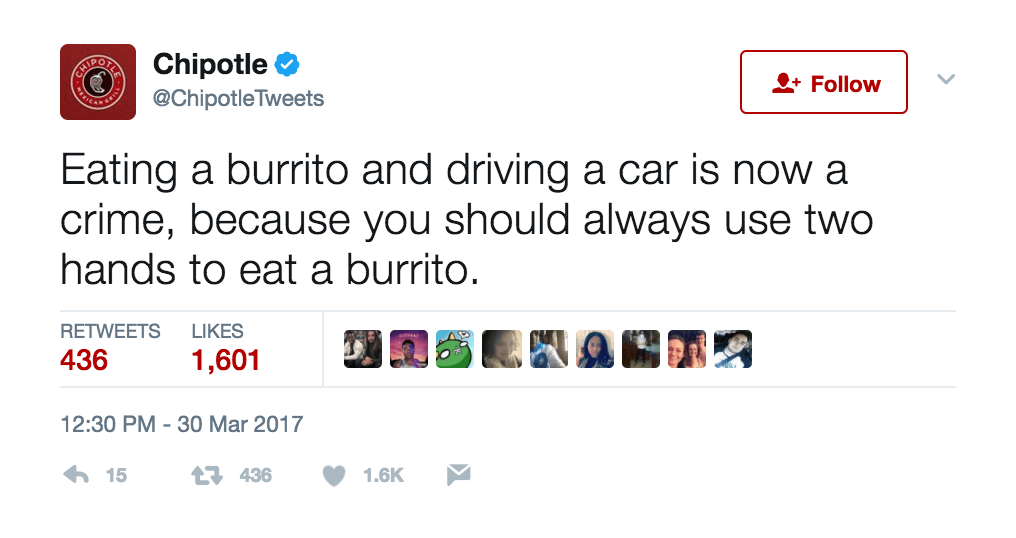
The simplest form of using social media as an advertising toolincludes posting paid and organic content about a brand and its products and services. Today, marketers have adapted their strategies to fit the evolving societal norms and consumer wants. Brands interact with users by responding to comments, which makes consumers believe the organization values building long-lasting friendships with customers. Along with this interactive tactic, some businesses have begun being casual when posting social media content. Examples include brands swearing and posting content solely to entertain users. This content usually does not directly promote the company or its products/ services, but it aims to attract consumers by being relatable and memorable. Brands like Chipotle do an outstanding job of being comical on social media while being relatable to consumers and maintaining a consistent brand personality.
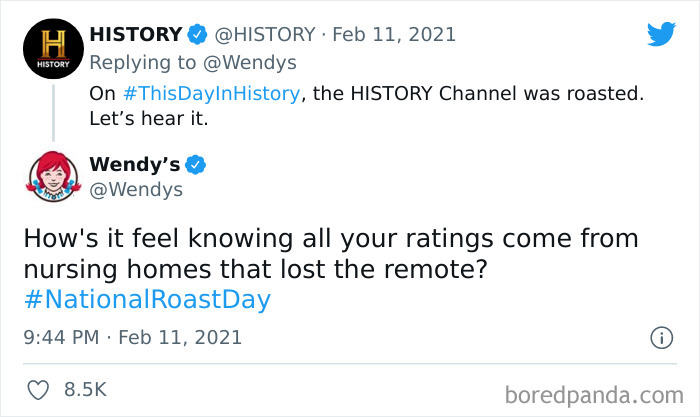
Wendy’s is another brand that has taken humanization to the next level. Its marketing team created a campaign that occurs annually called National Roast Day. The brand takes this day to roast (make fun of) other brands and consumers by request. This hilarious effort became extremely popular on the platform of Twitter. The underlying purpose of the campaign was to promote a free medium fry deal. Still, it had become the brand’s way of mirroring a real person who would comment negative messages on social media. This tactic further developed the concept of humanization and encouraged a shift to informal marketing tactics.
While some frown upon the idea of brands acting casually, mimicking human-like qualities, the strategy has proven to stand out among the abundance of social media marketing content. Others believe this movement is unethical and takes advantage of human’s attraction to others’ feelings and relatability. Sometimes from a brand’s perspective, the risk of offending someone may outweigh the reward, deterring it from using this tactic. If done successfully, this movement allows users to laugh and relate to brands as if they were a people. Brands then hope this relationship will translate into sales, word-of-mouth advertising, interest and more.
Brands Can Be People-Pleasers Too
Today, companies commonly post public statements about the brand’s feelings and efforts toward specific current events. In all reality, the brand itself cannot have feelings because it is an entity made of many people/ assets; it is not an individually acting human with beliefs and emotions. Along with this comes brands’ effort to be socially responsible. Whether this is ethically practicing or working to help a cause, businesses have larger tasks than just selling products and services. When a company promotes its efforts to support a cause, it is unfortunately not just for the sake of doing what is right. Instead, brands attempt to connect with people emotionally by acting as an individual with feelings. In all reality, these organizations are mainly concerned with building friendships with consumers, not the results of the charitable act.
Airbnb is an excellent example of a brand taking a stance on a social matter while promoting its service. The brand addressed a relevant issue while launching the We Accept campaign using media including photos, videos, hashtags, formal statements and more. Its commercial advertisements were even aired during the 2017 Super Bowl. Airbnb’s campaign required users to agree to treat everyone equally regardless of their differences, or they would be banned from the platform. During this time, acts of racial injustice were occurring, leading to divides and hostility. Airbnb addressed the issue with its new platform requirements and message that including others creates a stronger, more beautiful world. Although the work was an incredible piece, it is hard to say whether brands that attempt to help an issue are there with good intentions or are trying to use their acts of goodwill as a form of publicity to pull at viewers’ heartstrings.
It has become mainstream for brands to state opinions on matters by acting as individuals to remain relevant. Taking a stance on current events is almost expected of brands to attract consumers’ attention by being seen as a caring entity. Brands that stay silent or represent a different attitude on an issue than consumers will likely be frowned upon. Brands act as people pleasers by connecting with consumers as a friend and giving people what they want to hear instead of what the business wants to do.
From One-on-One Friendships to One-on-One Consumer Experiences
Businesses aim to outperform competitors and be favored by consumers to remain relevant. To do so, brands are no longer responsible for selling goods and services but also for providing memorable individual experiences. Being personable is a quality only humans present, but businesses try to mimic this connection. Successful personalized brands try to make no two customer experiences the same to create unique relationships similar to the bond that two individuals share. A tactic like addressing consumers on a first-name basis is a way for companies to catch viewers’ attention in emails, rewards programs and messages to make promotional communication more one-on-one.
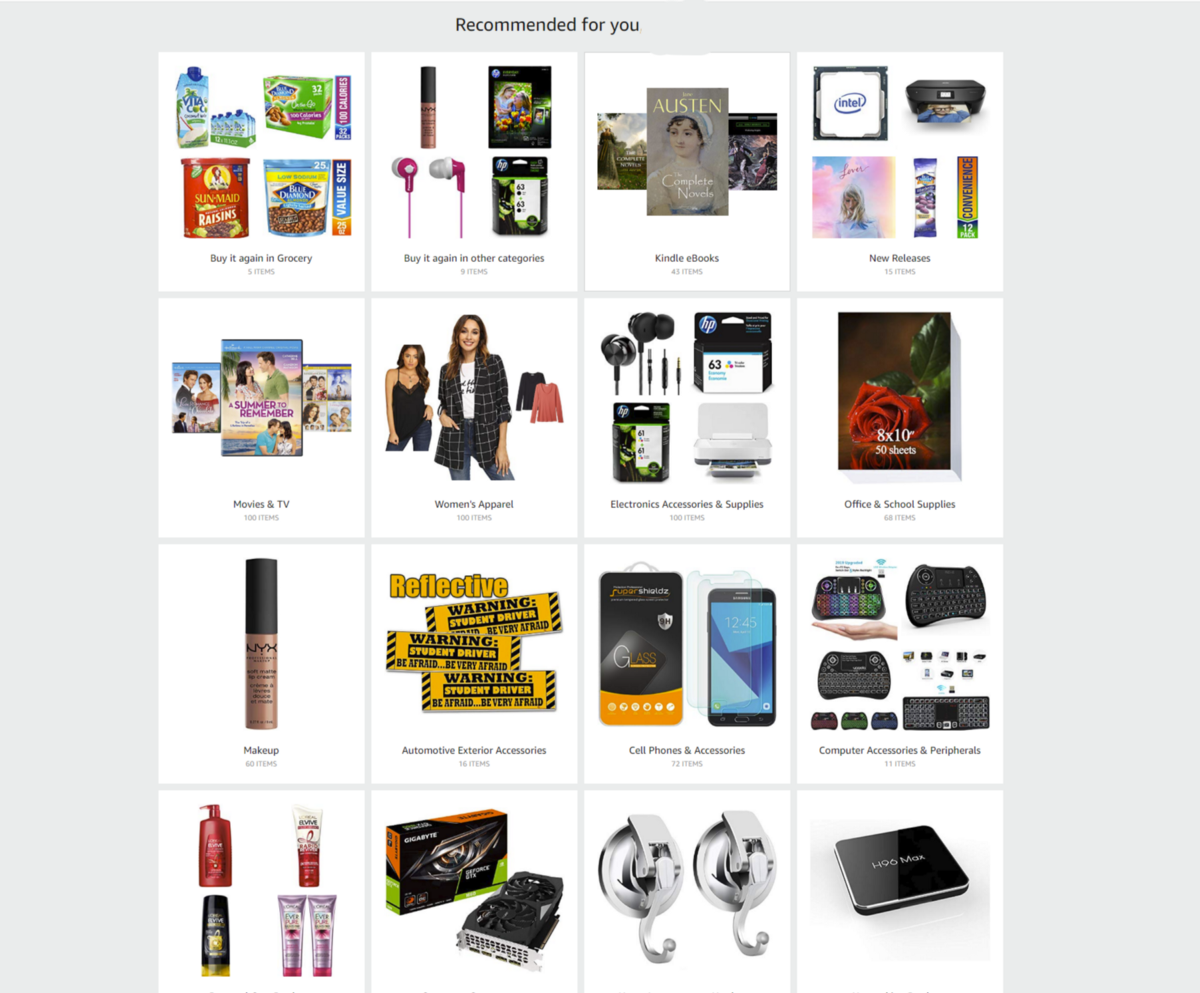
Amazon is a strong example of a brand that creates personal connections. It suggests potential products based on users’ previous purchases and search history. The helpful strategy can attempt to be relatable and build relationships that others cannot imitate. Amazon, like a friend, is always interested if the experience was good. While this advanced technology aids Amazon in captivating more significant sales and making consumers feel special, it can also be viewed as creepy and too close for comfort.
Snapchat is another example of brands interacting with consumers on an individual level. The brand uses the tactic of Bitmojis, a cartoon image that users can customize to make it look like themselves, to provide a more enjoyable experience. This interactive one-on-one experience between Snapchat and consumers leads to more memorable, positive user involvement.
What Does This Mean for the World of Advertising?
As brands try to blur the line between being a business and an individual, consumers are put in a vulnerable position. While this strategy of reaching customers in a new way stands out by being entertaining, eye-catching and effective, it also takes advantage of people’s desire to form meaningful connections. Brands will continue to be casual and behave like a friend of the consumer as it is an uprising strategy. As consumers’ needs and technology advance, relationships may grow even stronger; good friendships will never go out of style. Brands will progress and find new ways to interact with consumers closely, become more humanized and eventually become your new BFF.