PR Activations: The Good, and the Bad, and the Ugly

In this day and age, brands must go above and beyond to get noticed. Companies who have strived to get awareness have found creative ways to truly interact with their target audiences. Brand activations are what allow a brand to provide unique experiences to consumers in a more personal and direct way. Have you ever been scrolling through social media or an online news outlet, and seen a crazy publicity stunt being done to promote a new product or movie? Maybe you have been out in public and found yourself an active participant in an activation. This is done intentionally to capture your attention and get you to engage with the brand. A successful activation makes people stop, stare, and eventually act. Some brands will do almost anything to get the attention of the public, even if it means creating chaos and controversy. While we will go over several brands that have been successful in their activations, we will review some others that did not quite make the mark. 

SMILE 

To get the desired attention, a brand must do something out of the ordinary. Paramount Pictures did exactly this in promotion of their psychological-horror film, “Smile. The film, which hit theaters on September 30, 2022, focuses on a woman that is being tormented and haunted by smiling people who appear possessed. In efforts to promote the new movie, Paramount Pictures’ promotion team came up with the compelling idea to buy tickets and strategically place actors in different seats throughout a televised Mets and Yankees game. For all nine innings, the actors stood straight up in their seats, chillingly smiling from ear to ear, while looking straight into the camera. 

Did it work? Yes it did! The activation was able to create a ton of buzz around the film. According to Deadline, the film made over $100 million at the Global Box Office only two weeks after its release. The stunt quickly went viral on social media platforms like Twitter, with one post receiving over 50k likes and 2.8k retweets. The activation was a total success, something Paramount can thank the smiling actors for. 

Film journalist, Erik Davis shared on Twitter, “Here’s some fun, clever movie promo – Paramount seemingly placed #Smile actors in the crowd at both the Yankees and Mets games last night, both in view of cameras,” he continued, “The results were indeed creepy. Going to a game this weekend? Watch out for the smiles!”

MISSION IMPOSSIBLE 

There is no predicting the extreme lengths that brands will go to in order to promote themselves. Sometimes, activations can be terrifying, shocking, and even dangerous which just goes to show that a brand will do almost anything to catch the eye of its target consumer. When action-thriller “Mission Impossible III” was released in theaters in April of 2006, the Paramount Pictures promotion team came up with a marketing campaign involving placing red digital boxes covered in wires in 4,500 newspaper dispensers around Los Angeles, CA. These devices were meant to look like the bombs used in the film. When the dispenser’s door would open, these boxes would play the film’s theme song aloud. 

Did it work? No, they completely bombed it. This activation resulted in innocent bystanders believing that there was an actual bomb right in front of their faces, leading them to think they were in immediate danger and calling the authorities. Police got involved and eventually, a bomb squad was called into the area to evacuate a nearby building with over 300 people in it. 

“With the wires leading to the micro-switch on the news rack doors, I can easily see how someone might have misconstrued it as an improvised explosive device,” – Los Angeles sheriff’s sergeant at the time, Mike LaPerruque. 

This activation completely backfired and left Paramount Pictures, the Los Angeles Times, and the company’s advertising firm to pay $75,000 in negligence claims from the incident. This failed activation was a result of the promotions team not thinking the stunt all the way through and neglecting to think of the consequences of putting fake bombs around a huge city. 

“This was the least intended outcome. We weren’t expecting anything like this.” – John O’Loughlin,  Los Angeles Times Senior Vice President of Marketing, Planning and Development.

DIESEL

Shifting from Paramount Pictures, we focus our attention on the fashion brand, Diesel. In 2018, the company known for its denim and t-shirts decided to poke fun at the many bootleg shops that can be found along New York City’s Canal Street through a thorough brand activation. The clothing brand opened its very own store containing what appeared to be knockoff Diesel products. All items had “Diesel” purposely misspelled and printed across the front. The off-brand products caught many bystanders’ attention and lured them into the shop. Little did the consumers know, the products with the misspelled Diesel logo were actually real pieces made by the brand’s design team. 

Now, you’re probably wondering – did the activation work? It sure did. What started as a brand activation stunt quickly became a pop-up shop event. Rapper Gucci Mane, who was sponsored by the brand at the time, took to social media to tell his Instagram followers about the shop. Not long after, a line was wrapped around the outside of the store full of eager consumers willing to purchase the misspelled Diesel products. The activation was an effective way to promote the brand and its upcoming collection it had been set to release.

“The beauty of this idea is when we were telling them it was real, we were actually telling the truth! And they won’t believe it. It’s almost like a brain tease. ‘It is real!’ ‘No, it’s not real!’ ‘No, it is real!’ That’s the joy of this idea.” –  Andy Bird, Chief Creative Officer of Publicis New York 

BUILD A BEAR 

What may sound like a great idea can easily turn into a PR disaster, which is exactly what Build-A-Bear experienced in 2018 when the company tried introducing its Pay Your Age Day at  stores worldwide. The one-day promotion allowed for buyers to purchase a bear, which normally cost anywhere between $14 and $40, for the amount of however old the individual was. The large turnout for the promotions resulted in long lines forming in front of the stores hours before the workshop even opened, creating as long as 8-hour waits to get in. 

Did the activation work? Maybe for a few hours! Once the evening rolled around, Build-A-Bear franchises began turning away consumers and shutting their doors. The company’s representatives took to social media to explain that there was an unexpected and overwhelming response to the promotion, however, they were willing to offer $15 vouchers to consumers who got turned away. Between losing customers and facing inventory troubles, Build-A-Bear definitely overestimated its abilities when planning this promotion. This example goes to show that in fact, PR activations take significant time dedicated towards preparation and thoughtful planning to be successfully executed. 

Whether a brand is trying to get the word out about its new movie, clothing line or product promotion, a PR activation is an interactive and effective way to generate awareness and grasp the attention of consumers. This is an important aspect of a campaign, as it allows a brand to genuinely connect with the public and get people excited about what’s yet to come.

How can a brand indicate whether its activation was successful or not? In order to determine this, companies must see how many people they were able to reach as a result of the activation. These days, social media plays a huge part in receiving brand awareness. Many brands utilize social media platforms to interact with their target audience after an activation and track social engagement. The most successful brand activations may end up going viral on social media or even make the daily news. 

As brands continue to create new things, we will continue to see them try to step out of the box and come up with innovative ways to get the public’s attention. That also means we will continue to see some brands fail miserably, and others completely thrive while trying to do so. As long as brands remain focused on creating engaging and memorable experiences for their consumers, PR activations will continue being heavily utilized in the industry time and time again. 

Sources

https://deadline.com/2022/10/smile-crosses-100-million-global-box-office-1235142552/

https://musebycl.io/fashion-beauty/how-diesel-disarmed-enemy-its-own-brilliant-knockoff-store

https://twitter.com/PopBase/status/1575945713766191104?s=20&t=2UNwcTKgMJ2aeKfl6BtCiQ

https://twitter.com/buildabear/status/1017504161292800000?s=20&t=ZamMEBZdiOEjl4ulHtfb_Q

https://www.cnn.com/videos/cnnmoney/2018/07/12/build-a-bear-deal-orig.cnnmoney 

https://www.smh.com.au/entertainment/celebrity/tom-and-the-bomb-20060502-gdngnc.html 

https://www.latimes.com/archives/la-xpm-2006-apr-29-me-racks29-story.html

https://twitter.com/PopBase/status/1575945713766191104?s=20&t=2UNwcTKgMJ2aeKfl6BtCiQ 

https://www.gradschools.com/degree-guide/how-many-ads-do-you-see-each-day 

 By: Ray Lapoint

What is Authenticity?

Trapped behind cell phone screens and computer monitors, users of the digital world have become far removed from reality. So far removed that the future of marketing may very well depend on the focus and concentration of a single attribute. Authenticity.

Authenticity means being real or genuine. When thinking about personal authenticity, individuals believe this creates an opportunity for them to portray themselves in a unique, realistic way and withhold from the force of influence of others. Authenticity, as it relates to brand identity generates a similar perception in the eyes of their audiences. People want to feel as if their favorite brands are speaking directly to their personal values and beliefs. In other words, they want to have a connection with brands.

Advertisers and marketers believe that practicing authenticity and even transparency through marketing and advertising help customers connect with a brand, stimulate brand trust and help overcome consumer skepticism toward ads according to the American Marketing Association. This includes everything from your website, your social media interactions, partnerships, and campaign agendas. 

The average customer is smarter than we think.

When thinking about connecting with your consumers, your goal is to have them perceive your brand as genuine or real. Given the infinite spider web of the digital landscape and incredibly connected social world, audiences are no longer reacting to generic marketing and unrealistic expectations. People don’t react to “glossified” advertising anymore. Examples of this can be seen in the fast-food industry where the delivered product does not resemble the advertised result. We have all been there. Those fast food joints neglect the presentation factor when crafting delicious meals. The food insufficiently captures the experience leading to an unhappy customer. 

Consumers have ditched the ideals of perfection and have started craving something better. They crave authenticity. Buying into a brand is more than buying a product or service. It is a mutually beneficial relationship between consumers and a brand. A brand produces a genuine promise through a product or service, and consumers give their continued business in return.

It almost seems as if some marketing firms today have an agenda to maximize profit regardless of unrealistic product promises. For example, we have all experienced buying a product that has not met our expectations. Popular trends give evidence to this phenomenon like “Expectation vs. Reality” memes. 

Lack of genuine endorsements on social media

Brand ambassadors and paid influencers are great for promoting a brand’s image and products. Not only is this an opportunity for media influencers to share personal experiences and curate new content, but it also illustrates a brand’s identity. Although these paid sponsorships generate mutually beneficial relationships for an influencer and a brand, in some cases, these relationships are solely based on follow-count and not sharing similar values or beliefs. 

Say a strictly vegan-based brand wants to hire a rising influencer to promote their new line of vegan, sustainable and dairy-free milk to their 1 million followers. The brand might think it is a grand idea to work with them in promoting their product for their high follower count. Meanwhile, the influencer posts content of them grilling and eating animal meat and wearing real animal fur on their social media. In this example, it is evident this influencer does not share the same values as the brand which could lead to potential upset with customers of the brand as well.

Failed social media endorsement 

When social media influencers or brand ambassadors endorse a product, their content needs to be genuine or real otherwise it may have a negative impact. Bootea, a fitness and detox brand had to make their mistake first in order to learn from it. The brand had partnered with Scott Disick who is known for his appearance in the reality TV series Keeping up with the Kardashians. Disick missed the mark when he posted on Instagram with the direct instructions given to him by the brand. This shows the audience that he did not generate a personal caption putting the brand in an embarrassing position.  

Some viewers of these marketing advertisements may see these as misleading or ungenuine endorsements for products. Can these products keep their promises when they pay influencers to read a generic script and sample a product? How do we know if their support is genuine? It is an uphill battle for public relations professionals to find influencers that align fairly well with the brand’s voice, yet they are crucial in securing an authentic relationship with your target audience.

Where does that leave the future of marketing?

Connecting with consumers has never been more of a challenge for brands. How are future marketers supposed to combat this likely dark path of falsehood? Leveraging authenticity to attract existing and new customers is critical. An easy way to practice this is to diversify your content and implement strategies different from that currently in the marketing world. Numb is the feeling you get when something is no longer affecting you. Similar to recycled marketing approaches, you aren’t getting the same response as you once did thus, calling for a fresh angle.

The customer-centric model requires “a deep understanding of the social, financial, emotional and intellectual needs of the buyer at certain stages, along with what they enjoy outside of the buyer’s journey” says Forbes Councils Member, Jessica Scanlon.

Understanding what your customers want and needs are undoubtedly important to know, however understanding their beliefs and values give way to more opportunities for growth and acceptance. Utilizing what we know about our audiences can help us as marketers gauge the brand tone and voice we want to portray. Not only that, we need to understand the simple human truths and connect them to the values behind our brand.

Sources:

https://journals.sagepub.com/doi/full/10.1177/0022242918815880#bibr40-0022242918815880

By Dominique DeVivo

Inside look at Failed Campaigns

Behind-the-scenes factors play a vital part in successful campaigns. Many fashion brands are under a microscope with their large customer fanbases. One wrong move may result in a backlash from countless consumers. Not only do these failed strategies reflect badly on the company, but often result in a decline in customer sales and a lost connection between the brand and its target consumer. Developing a relationship between the brand and the consumer can be beneficial to the company’s success. Forming a bond between the two allows trust to build between the brand and the consumer. Breaking this bond will steer away customers and damage the trust that was built. Ideally, consumers want to feel a personal connection to the brand that promotes and reflects their values. Focusing on where these three notorious fashion brands H&M, Victoria’s Secret and Dolce & Gabanna went wrong in their campaign process.

H&M’s Greenwashing

Fashion trends are fleeting, and many stores have responded by using textiles that are cheap but not recyclable. Textile waste is a huge problem for the environment.

“Next to oil, fashion in its broadest sense, fast fashion, to leather to denim, is the next biggest industrial polluter of the world’s waterways.”

Filmmaker Mark Angelo in his documentary, RiverBlue.

H&M saw backlash from their scorecard system that was created to show how environmentally friendly their products were. H&M’s positioning as an environmentally conscious company proved to be flawed when false information arose from the scorecards. The company claimed products to be better for the environment than they actually were. False claims were also unveiled when the company claimed these products were sustainable, in reality, they were not.

H&M is now seen as a fashion company that doesn’t tell the truth about its involvement in environmental issues. In-store recycling bins have been put in place with the goal to revitalize garments into new clothing. Only 35% of the clothing that was collected went to be recycled.

Victoria’s Secret Failed Body Inclusivity

Victoria’s Secret, a world-renowned brand most known for intimates is also known for its models ranging in smaller sizes compared to the average woman. As of 2014 competitor brand, Aerie has prided itself on unretouched photography and specifically in its AerieReal campaign. This campaign from Aerie brought both success and consumer loyalty to the brand. The campaign focused on leaving all photos raw and unedited which positioned Aerie as a brand that wants its consumers to feel happy in their own skin. Aerie took this opportunity to showcase women of all different shapes and sizes which is something that Victoria’s Secret was failing to do all along.

 The Victoria’s Secret Fashion Show, a major event in this industry has not only put an image of beauty into young minds but has continued to showcase models that decreased in size as the show continued to gain fame. This breach of trust damaged the bond between the consumer and the brand. Despite all of this Victoria’s Secret has attempted to rebrand its company and image by utilizing models of all size ranges. In 2015 they released a campaign that claimed to have lingerie for all body types. Once again, they failed their customers and missed the mark by showcasing models of similar sizes and no diversity among them. VS’s rebranding was a poor strategic idea due to the fact their image was not changing. After receiving backlash for years, they continued to follow the same strategy.

“Collectively, models shrank roughly two inches across their bustlines, one inch around their waistlines, and nearly half an inch off their hiplines. The models’ average dress size decreased from 5.2 to 3.7 over the same span of time. Despite these dramatic differences, their WHR and height stayed nearly identical.

Gina Digravio

Their idea of beauty has shaped millions of young women’s perceptions of what their ideal bodies should be. This beauty standard Victoria’s Secret stands behind was never targeted to women of all sizes. Victoria’s Secret has proved multiple times that it is positioned towards men’s standards of women and does not pertain to women of all sizes.

Victoria’s Secret allowed a competitor brand to lure customers away from them by appealing to all women, something that VS failed to accomplish.  

Dolce & Gabanna Sneakers

While many public relations campaigns succeed, that’s not always the case. As campaigns continue to evolve, several questions come to mind. Where do campaigns go wrong? What campaigns from large companies have failed in their strategy? The campaign process is always talked about, but where the campaigns go wrong is a different story. Defining these disconnects in the pr strategy increases consumer awareness of what not to do when developing a campaign.

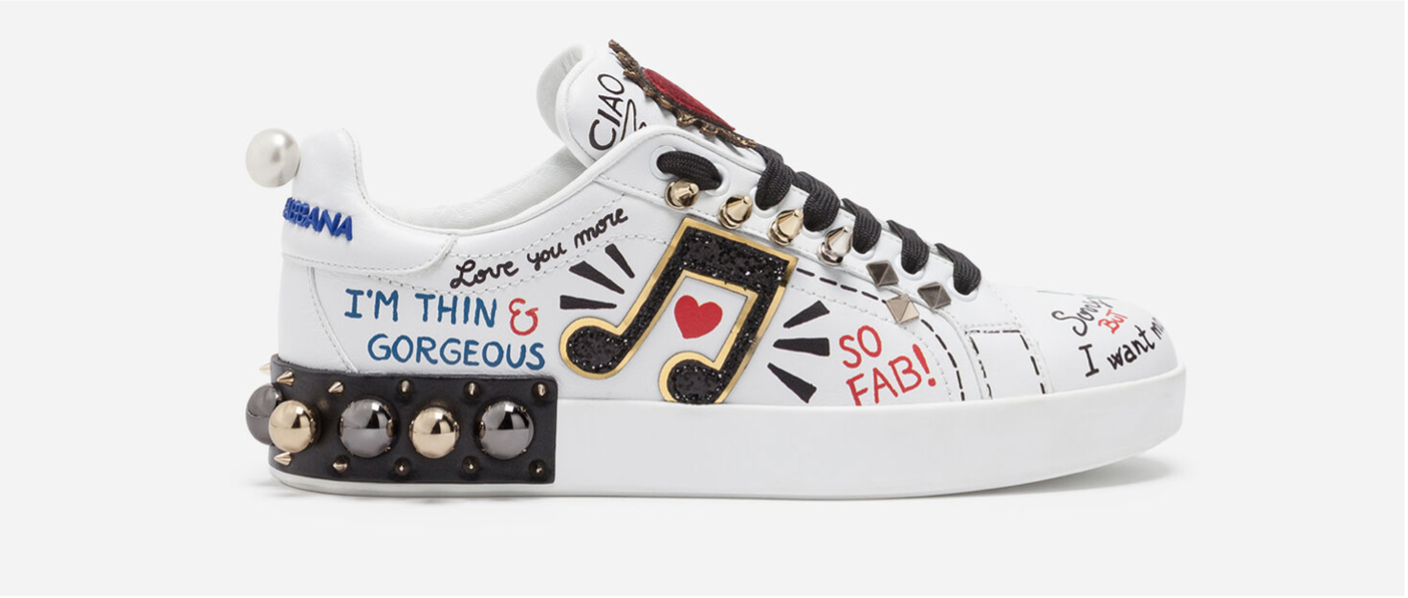
Dolce & Gabanna, the luxury company known for its Mediterranean style, is also missing the mark. In 2017 a sneaker hit the market that caused a commotion in the marketplace. The sneaker retailed for $973 remarked, “I’m thin and gorgeous” in large font on the side of the shoe. The shoe was first released to the public at Milan Men’s Fashion Week. Not only did this shoe reveal a lack of body inclusivity it directly reflected back on the brand and its image.

“Though there may be an element of cheeky humor at play in the design of these sneakers, equating thinness and beauty with success and status is a message that hurts everyone.”

Claire Mysko, CEO of the National Eating Disorders Association

Dolce & Gabanna’s designer, Stefano Gabanna, responded to comments that seemed to only make the situation worse. Gabanna went to social media to repost articles that addressed the sneaker in a bad light. Gabanna’s Instagram caption responding to this issue said, “When idiocy distorts reality…next time we’ll write LOVE TO BE FAT AND FULL OF CHOLESTEROL…the most stupid post ever.” Not only did Dolce & Gabanna spark a sensitive topic with this shoe they also seemed to have no initiative in addressing the matter at hand.

The Necessary Change Today

These fashion companies have not only failed in their PR strategy but also their loyal customers. Maybe the solution is not with the strategy but within the company itself. Many companies forget the importance of adjusting to our evolving world. Opening your brand to changes also opens the door to more successful campaigns. We know that change is necessary and companies in the future need to react to these failed processes and learn from them.

Many steps can be put in place to prevent these pr strategies mentioned from happening again. Some strategies to follow when developing a campaign include understanding your target audience and their wants and needs, being sensitive to tough topics and issues, bringing in multiple ideas and diverse opinions when formulating a new campaign, and being open to change. Every PR campaign is different and discussing the bad may ultimately form the good.

Sources:

https://www.forbes.com/sites/retailwire/2022/07/13/hm-case-shows-how-greenwashing-breaks-brand-promise/?sh=2a58fa5a1171

https://www.popdust.com/victorias-secret-failed-rebrand-2657667356.html#:~:text=The%20Rebrand%20To%20Fail%20All,legs%20and%20a%20flat%20stomach.

https://www.businessinsider.com/dolce-and-gabbana-responds-to-critics-of-his-thin-and-gorgeous-shoes-2017-4#:~:text=The%20INSIDER%20Summary%3A,’m%20thin%20%26%20gorgeous.%22

https://www.teenvogue.com/story/dolce-gabbana-thin-and-gorgeous-shoes

www.forbes.com/sites/rachellebergstein/2017/04/26/is-fashion-experiencing-its-own-pc-backlash/?sh=3c79ab494edb

By Kianna Rodriguez

Shaking Up the Consumer 

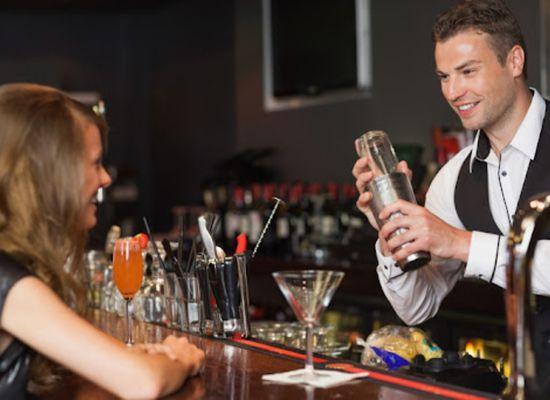
As a bartender, I understand that the job isn’t just about mixing a great cocktail. Customer relationships are at the heart of what I do. Bartenders possess not only drink-making skills but the ability to connect with customers through conversation and advice. Bartenders possess a special skill, almost a superpower called listening. Bartenders listen to feedback on drinks and learn what makes customers tick. We listen to customers’ thoughts and motivations. By engaging in conversations with them about any topic that they want to cover. People come in and talk about various topics from their relationships, friendships, and work life to home life, politics and more. As a budding advertising and public relations professional, I can see how this deep dive into the feelings and thoughts of the customer should inform my work.

Creating a Meaningful Relationship 

We listen to the customer and learn their favorite things, their careers, their background, and their hopes and dreams for the future. But we also learn about what they fear in the world, from people to places to things. Taking in all this information is beneficial to my college career as an advertising and public relations student. Why? Because I can see a deep understanding of the consumer as the only way to help a brand connect on a meaningful level. I can help brands find new ways to connect with customers.

All brands need to find a way to connect to their customers on a different level. For example, Dove released a campaign called “Reverse Selfie”  which showed the effects of social media standards on young women. Young girls heavily edit their pictures and constantly stare at themselves in the mirror. Now when they are looking in the mirror they are not admiring their beauty but judging their imperfections. But Dove knew the new generation was getting impacted by beauty standards and how girls “should look.” They showed, in reverse, how girls don’t need to live up to unrealistic standards.

The campaign aimed to “reverse” the negative effects of social media on young girls. 

Another example is Apple’s campaign called “The Underdogs” which shows a team of four at a company creating the design for a round pizza box and presenting it to their boss in short order. Apple knew they had to connect to people in a new light and chose to do this campaign about how Apple can help people succeed with their products and software. They knew they had to connect to their audience in a different way, they knew people worked hard to reach their goals and they showed that their company is here to help the consumer achieve their specific goal. Apple shows that their merchandise is to help people that want to achieve their goals. They show in the video how to use almost every Apple product and the capabilities of the products, like tools that can be used for work to be more productive. 

Listening to Consumers

These brands listened to their consumers. They learned how to connect with them on a deeper level. They learned what motivates customers to behave in a certain way. Being the right type of account planner means finding the right motivation to influence a campaign. As a bartender, I listen to what concerns people and what excites them. I take that back to my advertising and public relations classwork. I find a deeper, meaningful way to connect to consumers. Finding that deeper connection means consumers express a higher level of customer satisfaction and loyalty to the brand. I take this information and help our campaigns engage consumers on a deeper level. My job as a bartender helped me engage consumers and understand their feelings and emotions, which really matters for the work we do at The Martin Hall Agency.

Dove. (2021, April 20). Dove | reverse selfie | have #theselfietalk. YouTube. Retrieved October 27, 2022, from https://www.youtube.com/watch?v=z2T-Rh838GA 

Apple. (2019, April 2). Apple at work – the underdogs. YouTube. Retrieved October 27, 2022, from https://www.youtube.com/watch?v=G9TdA8d5aaU 

Rawat, A. (n.d.). 10 ways bartenders can self-learn & improve their skills. Bartenders Business. Retrieved November 1, 2022, from https://bartendersbusiness.com/en/articles/insights-1/10-ways-bartenders-can-self-learn-improve-th

Prange, J. (2022, February 9). Bartending 101: Conversation do’s and don’ts for bartenders. TouchBistro. Retrieved November 1, 2022, from https://www.touchbistro.com/blog/conversation-do-s-and-don-ts-for-bartenders/ 

eir-skills-335.htm 

By Grace Campbell

The Power of Music 

In 2000, the Virginia Tech Hokies athletic department was given three songs to choose from as their walkout song – “Enter Sandman,” by Metallica, “Welcome to the Jungle” by Guns N’ Roses and “Sirius”  by the Alan Parsons Project. They chose the popular nineties song by Metallica. As “Enter Sandman,” played for the first time when the Hokies came out in 2000, a new age began for college football. Much later, in 2021 against ACC rival North Carolina, noise levels were so loud from Lane Stadium during the walkout that a nearby seismograph registered noise – needless to say, the reaction from the fans was astounding! Although the song is relatively new by ‘tradition’ standards (only being used by the Hokies for twenty-two years), it has become arguably the best and most renowned entrance in all of college football. Now, when someone hears “Enter Sandman, they think of the noise of the game, of the experience. They think about their time in college, or of a game-watching party. But above all else, they think of the Virginia Tech Hokies. This connection between the Hokies and their fans was made by utilizing a popular song and has forever made both one aspect of college football and “Enter Sandman,” relevant far beyond their years. How can we accomplish this same thing in our, or our client’s brand? 

Enter Sandman at Lane Stadium

By purchasing popular music and utilizing it in a way that works together with a brand identity, a company can create similar levels of engagement and brand awareness without having to do anything more than use the music purchased when promoting its brand. Additionally, by incorporating the ‘right’ music choice into a campaign, a brand can create an even more powerful identity or theme in the messaging of an advertisement. If just the song “Enter Sandman,” can strike fear into the hearts of Virginia Tech’s opponents, what could the right music selection do for an advertisement? 

How to Acquire the Rights To A Song

In order to use any music created by an artist, a company must first acquire rights to use that music in campaigns, advertisements, on social media, or generally for any other purpose than just listening to it. You can do it by answering these four questions: 

  1. Is the song copyrighted or in public domain?
    • If a song is copyrighted (which popular songs almost always are) then there are several hoops to jump through before you can legally use it commercially.
    • If a song is in the public domain, then you can legally use that song commercially.
      1. Public domain is when a song can be used by the public for free, with no need to request permission for any reason 
  1. Have you reached out to the creator?
    • For popular music, there are generally multiple people involved when creating a song. It is important to reach out to all of them!
  2. How much are you willing to pay?
    • There is no set price for a copyrighted song. The price can vary depending on the agreement. Do you want all rights to the song, or only the ability to use it for specific things?
    • You get to negotiate how much you’re willing to pay an artist. 
  1. Have you both signed the paperwork?
    • Once the negotiation is completed and both parties are satisfied with the agreement, contact a lawyer to make things official. 
    • Once the lawyer approves, payment can proceed and a contract can be signed. 
    • You’ve got the rights to commercially use a song! 

The Cost 

Although the cost of purchasing the rights to a song can drastically vary, it generally depends on two factors. 

  1. How popular the artist is you’re working with? 
  2. How much potential does that song has to make money?

For example, Bruce Springsteen made a deal with Sony Music and Sony Music Publishing to sell several master recordings of unreleased work and his publishing catalog for $500 million in December 2021. Another example would be when Hipgnosis (a song investment company out of the UK) paid an estimated $150 million for fifty percent of over 1,000 songs written by Neil Young in January 2021. 

When looking at purchasing the licensing of one song, that too can vary. Generally, you can purchase the rights to use a song commercially from an unknown or smaller artist for anywhere between hundreds to thousands of dollars. In bigger deals, a company can choose to either buy rights to the music outright and pay a lump sum, or develop a contract where the artist gets a set percentage of the revenue generated by the advertisement in which their music is featured. 

Additional things to consider when walking through the cost of using any piece of music in longevity. How long will you use this music? How many times will it be played? Across how many platforms? These questions come into play when writing up contracts and are things for both parties to consider before writing up a contract and agreeing on payment. 

The Pros, Cons and Example 

Now that you understand how music licensing works and how a brand can acquire the rights to commercially use music, let’s determine if the “juice is worth the squeeze,” or if all of this work is worth it. In this example, we’re going to choose Harry Styles’s song “Music For A Sushi Restaurant” and determine the pros and cons of using his song in an advertisement. 

Harry Styles

Pros:

  • Harry Styles has over 101 million social media followers on Instagram, Facebook and Twitter combined.
  • His song “As It Was” remained in the Billboard top hundred for 15 weeks. He is the second longest-reigning artist to hold a space for that long.
  • “Music For A Sushi Restaurant” was eighth on Billboard Top one hundred for 13 weeks.
  • International recognition of advertisement due to relation with an internationally recognized artist and song.
  • Opportunity to positively promote the brand with a celebrity who is generally loved and held with respect and admiration in the public eye. Less concern with scandals or PR emergencies. 

Cons: 

  • Purchasing rights to his music would be a complicated and expensive process.
  • Depending on the content of the advertisement or brand, fans might be hesitant to support it regardless of music and celebrity association. Example: the infamous Pepsi commercial with Kendall Jenner, or their “Brown Sugar” commercial.
  • The production of the advertisement can leave the brand in the red if the campaign does not succeed.
  • The song may not connect with the messaging goal or overarching brand idea for the advertisement or campaign. 

It is important to keep the brand and idea in mind when selecting music. Even the most famous song that does not conceptually connect to the brand and the idea could end up being a complete waste of money. An example of this can be found in the 1990 Pepsi TV commercial “Brown Sugar” which featured the song “Brown Sugar” by The Rolling Stones. This commercial features a fly singing “Brown Sugar” after drinking Pepsi in a very high-pitched voice. Many comments call the advertisement “disturbing” or “confusing.” The selection of this song might have been the correct choice for the specified target audience, but the way in which it was connected back to the brand or conveyed to the audience was not successful. 

There are, however,  several benefits to aligning your brand or campaign with a piece of music. Ultimately much of a brand’s association with the music will depend on how it is used, in what setting and how often it is played. Apple does a great job of using many different types of popular music in their advertisements, such as using Payday’s “Big Boy” in the iPhone 14 reveal – a song that a Gen Z target audience would know and enjoy. 

If the goal of any brand is to stay relevant, then using music that connects with its target audience is crucial. By having a brand associated with a song, the two become one and the same and the audience will come to enjoy the brand just as much as they enjoy the music. In knowing this, we can come to the conclusion that purchasing rights and working with popular musicians is beneficial for growing and developing a brand identity and staying relevant in the eyes of the brand’s target audience. There are millions of songs to choose from, and more are being made every day. If a brand can create the same excitement that Lane Stadium gets for the Hokies, then it will stay relevant for decades to come. 

Sources:  

By Jillian Peyton

Establishing a unique, memorable brand is not easy in today’s highly competitive market. The media landscape is evolving daily, and creative teams struggle to match the pace of change while maintaining a unique identity that matches their brands’ identities.

All the while, brands trying to emulate the latest trends risk being outperformed by competitors with similar messaging. For real success, a brand must outwit, outsmart and be more imaginative than its competition. On top of that, a brand must beat others to the punch. 

According to a study by The Center for Generational Kinetics, Gen Z, consisting of those born between 1997 and 2010, is the most “Internet-dependent generation,” and therefore, the generation with the most exposure to digital media. Understanding the latest trends is second nature for Gen Z, which has unbeatable expertise in the ever-changing media landscape.


“A brand is the set of expectations, memories, stories and relationships that, taken together, account for a consumer’s decision to choose one product or service over another.”

 – Seth Godin


How Gen Z Can Help Your Brand

Because of Gen Z’s youth, you may hesitate to trust them with the fate of your brand’s success. However, Gen Z is the first generation of true digital natives, and those with an interest in marketing and communications have the potential to revolutionize your brand’s image.

Having always grown up with the Internet and social media, Gen Z is accustomed to the constant development of new media platforms and shifting consumer expectations. Gen Z is already known to quickly adapt to new social media trends and corporate social responsibility expectations.

Social Media Trends

Gen Z is familiar with all social media platforms, including Facebook, Twitter, YouTube, Instagram, Snapchat, TikTok and BeReal. As social media platforms come and go, Gen Z quickly adapts and creates engaging content.

For consumers to be receptive to brands, creative teams must recognize social media’s capability to bridge the gap between brands and consumers. Gen Z appreciates this element in their own targeted messaging, and according to Sprout Social, Gen Z hopes to “interact with brands beyond the storefront.” 

Recognizing the need for brands to connect more with consumers on a personal level, Gen Z marketers only beginning their careers have already implemented this strategy in their content, simultaneously affirming their undeniable creativity. 

For example, Duolingo, an app for learning languages through self-paced lessons, has a TikTok account managed by Zaria Parvez, a Gen Z marketer who graduated in 2020. Duolingo targets Gen Z consumers through its TikTok, and its content distinguishes the brand from competitors through humorous (and unhinged) videos.

As of October 2022, Duolingo’s TikTok has 4.9 million followers, and the account has earned more than 97 million likes. None of the brand’s competitors, such as Rosetta Stone (430 TikTok followers) or Babbel (22,300 TikTok followers), distinguished themselves in such an organic, creative way that ignited consumer engagement and interest.

By choosing Parvez to manage its TikTok, Duolingo recognized the potential of a Gen Z marketer to creatively revolutionize its brand and help it stand out amongst competitors.

Corporate Social Responsibility

People of all ages expect brands to engage in authentic corporate social responsibility. In response, brands like Patagonia have increased their efforts to improve sustainability and support underserved communities.

According to public relations firm Edelman’s research, 70% of Gen Z is involved in a social or political cause. Across the globe, Gen Z has been at the forefront of political activism, including movements such as March For Our Lives and School Strike for Climate.

Gen Z is passionate, unafraid to stand up for its beliefs and can emphasize your brand’s dedication to social responsibility and change through actionable and authentic means.

Some companies may be wary of the possibility of invoking criticism by establishing the social responsibility important to their brand; however, in the long run, people remember actions better than words. Allowing Gen Z to align your brand with the company’s most meaningful causes will essentially be both rewarding and unforgettable.


Next Steps: Trust Gen Z to Make Your Brand Remarkable

We know trusting young advertising and public relations professionals with your company’s image can be daunting, but the outcome will surprise you.

Your company needs the support of a team who truly understands the shifting intricacy of the media landscape. Gen Z not only understands change, but they thrive with it. Without missing a beat, Gen Z can learn how to succeed with any new media platform and connect with your audience by understanding their most important needs.

Creative teams worldwide are trying to accomplish the same goal for their brand, making it increasingly difficult for any brand to catch the public’s interest. Simultaneously, the public is growing increasingly distrustful of any brand messaging, instinctively ignoring most brand messaging they encounter.

Gen Z understands this mindset, and they can easily distinguish between authenticity and baseless promises. Further, Gen Z is the first generation of true digital natives accustomed to constant change, innovation and shifting consumer expectations.

Because of this, Gen Z understands worthwhile content, and they know how to produce and deliver it through your brand in the best possible way. With so many competitors seeking the same outcome, Gen Z’s unmatched confidence and creativity are priceless.

By allowing Gen Z to take the reins, your up-and-coming brand can undergo a positive transformation, cutting through the noise of competitors and catching the eye of your audience.

Up ↑