From Farm to Fork: How Farm to You’s Campaign is Redefining Health and Wellness

In the dynamic healthcare landscape, initiatives like Farm to You stand as beacons of innovation and hope. As a “food is medicine” program under WVU Medicine, Farm to You embodies a holistic approach to wellness, recognizing the profound connection between nutrition education and improved health. Our partnership sought to develop communication strategies that elevate community and patient engagement, expanding the program’s outreach efforts and improving the health of West Virginia’s Eastern Panhandle.

Background

Established in 2018, the Farm to You program focuses on improving the culinary and nutritional education of low-income individuals with chronic nutrition-related conditions living in West Virginia’s Eastern Panhandle. The program provides participants access to fresh, local produce and the proper knowledge necessary to enjoy it. Supported by a $500,000 USDA-NIFA Grant, the Farm to You program aims to provide insight into long-term behavioral change in the community that is powered by nutritional education and access to free produce. 

Research for the campaign began in January of 2024. It revealed insights into effective strategies comparable programs utilize and explored innovative approaches to engage and communicate with the audience across various media platforms. Through harnessing these insights, the team was able to develop a compelling strategic communications campaign that encourages community participation and advocates for and educates about the benefits of healthier living, improving the program’s overall efficacy.

Key Research Findings

A blue and green background with text

Description automatically generated

The Farm to You account team embarked on a comprehensive research journey to explore effective engagement strategies employed by similar “food is medicine” initiatives, healthy meal plans, and influential food bloggers. Through primary research efforts, including content analysis and direct engagement with other programs, the team gained valuable insights into the efficacy of various approaches from other comparable programs.

  • Collaborations with other local organizations can improve personal wellness and confidence in nutrition discussions.
  • Community involvement benefits the program and enhances the well-being of the target audience through learning opportunities and positive changes.
  • Social media platforms like Facebook offer valuable opportunities for Farm to You to engage with its audience and foster community interaction.
  • Providing recipe and nutritional information has been shown to impact consumer behavior and dietary choices positively.
  • Offering up-to-date information, sharing nutritional tips, and posting recipes are effective digital content strategies for health-oriented initiatives.

The Charge

Farm to You aims to help people understand why and how food choices impact their health and overall well-being. To do this effectively, the team determined it was vital to provide clear instructions on what to eat as well as the rationale for why those choices matter.

Target Audiences

The team conducted audience segmentation research to identify three target audience personas that align with the efforts of this campaign. The first two audiences that Farm to You targets is patients who are suffering from a nutritional-based disease. Usually, these patients need to improve their health and want to commit to the program. For current patients, the trigger point is the diagnosis of a health issue that can be improved with a better diet. The following highlights these two patient personas.  

A person with a beard and a hat

Description automatically generated

A poster of a family

Description automatically generated

The third group of people that Farm To You aims to reach are possible volunteers and campus representatives who might be interested in the program and getting more involved with this initiative.

A person with a stethoscope around her neck

Description automatically generated

The Message

Farm To You is a transformative resource in the supportive community, emphasizing healthier lifestyles and managing chronic disease by creating access to free, accessible produce and nutritional resources for patients and community members. By focusing on the reality that “Food is Medicine,” campaign deliverables can help our client achieve their goal.

The Deliverables

While many clients come to MHA with the hopes that we’ll manage all their campaign needs, Farm to You wanted an inventory of resources to help them continue to build community during their busy seasons.  For this reason, we provided more than three months of digital content, collateral material designs, and much more.  Read on to learn more.

Social Media

Recognizing how many social media-based health campaigns aren’t very good at retaining attention – especially with the rise of diet culture, we are oversaturated with health content. Most of that content is boring, and people swipe without reading or listening.

To support our client’s work, three months of content were produced for social media posting and a content calendar was created to make it easy for our busy client to stay on track.  While some content provided clever use of language, others portrayed seasonal veggies with their benefits and recipes.  Farmer highlight stories were also included to increase community awareness. 

A screenshot of a tablet

Description automatically generated A person and person in a farm

Description automatically generated

E-Newsletters

The account team also developed E-Newsletter templates for the next few months. Using Mailchimp, these newsletters will be sent out for this summer. Each e-newsletter features a wide array of seasonal recipe spotlights, fun facts, seasonal produce, tips and tricks, announcements, and more.

A computer screen showing a picture of a person picking flowers

Description automatically generated

Cookbook

Print collateral materials play a pivotal role in fostering and sustaining good health. They serve as physical reminders and valuable aids in promoting healthy lifestyles and habits. Unlike digital content, physical resources have a persistent presence in our daily lives, offering gentle nudges and reinforcing positive behaviors. Unlike conventional cookbooks, this book is tailored specifically to using fresh produce for health management, serving as a personalized prescription for well-being. Physical copies of this book may be distributed for sale at participating Farm to You clinic locations and program events. Distributing this in the form of an eBook through the program website allows for an expanded reach and lower production costs.

A tablet with recipe on it

Description automatically generated

AI-Generated QR Codes

A hand holding a piece of paper

Description automatically generated

These interactive stickers, strategically placed on the corresponding produced handed out at Farm to You events or distributed at local farmers markets, serve as gateways to the collection of nutritious recipes on the website.  With a simple scan using a smartphone or tablet, users are transported to a program approved recipe.

Swap Cards

These informative cards serve as valuable resources for individuals seeking to make mindful dietary choices. Designed to educate and empower, each card offers practical tips and easy-

to-implement swaps to help individuals reduce sodium intake, incorporate healthier fats, and manage carbohydrate consumption. When included in produce bags during patient pickup events, they provide a tangible takeaway reinforcing the connection between Farm to You’s

A collection of food information cards

Description automatically generated with medium confidence

Media Relations

To gather earned media attention, the team created a media kit to inform local journalists of the newsworthy information and events. The team developed an updated fact sheet, a media advisory and two press releases. The fact sheet was reformatted for stylistic purposes, and the media advisory invited the media to cover the freshly debuted mobile teaching kitchen events.

A few papers with a picture of vegetables

Description automatically generated with medium confidence

By Dominique DeVivo

Inside look at Failed Campaigns

Behind-the-scenes factors play a vital part in successful campaigns. Many fashion brands are under a microscope with their large customer fanbases. One wrong move may result in a backlash from countless consumers. Not only do these failed strategies reflect badly on the company, but often result in a decline in customer sales and a lost connection between the brand and its target consumer. Developing a relationship between the brand and the consumer can be beneficial to the company’s success. Forming a bond between the two allows trust to build between the brand and the consumer. Breaking this bond will steer away customers and damage the trust that was built. Ideally, consumers want to feel a personal connection to the brand that promotes and reflects their values. Focusing on where these three notorious fashion brands H&M, Victoria’s Secret and Dolce & Gabanna went wrong in their campaign process.

H&M’s Greenwashing

Fashion trends are fleeting, and many stores have responded by using textiles that are cheap but not recyclable. Textile waste is a huge problem for the environment.

“Next to oil, fashion in its broadest sense, fast fashion, to leather to denim, is the next biggest industrial polluter of the world’s waterways.”

Filmmaker Mark Angelo in his documentary, RiverBlue.

H&M saw backlash from their scorecard system that was created to show how environmentally friendly their products were. H&M’s positioning as an environmentally conscious company proved to be flawed when false information arose from the scorecards. The company claimed products to be better for the environment than they actually were. False claims were also unveiled when the company claimed these products were sustainable, in reality, they were not.

H&M is now seen as a fashion company that doesn’t tell the truth about its involvement in environmental issues. In-store recycling bins have been put in place with the goal to revitalize garments into new clothing. Only 35% of the clothing that was collected went to be recycled.

Victoria’s Secret Failed Body Inclusivity

Victoria’s Secret, a world-renowned brand most known for intimates is also known for its models ranging in smaller sizes compared to the average woman. As of 2014 competitor brand, Aerie has prided itself on unretouched photography and specifically in its AerieReal campaign. This campaign from Aerie brought both success and consumer loyalty to the brand. The campaign focused on leaving all photos raw and unedited which positioned Aerie as a brand that wants its consumers to feel happy in their own skin. Aerie took this opportunity to showcase women of all different shapes and sizes which is something that Victoria’s Secret was failing to do all along.

 The Victoria’s Secret Fashion Show, a major event in this industry has not only put an image of beauty into young minds but has continued to showcase models that decreased in size as the show continued to gain fame. This breach of trust damaged the bond between the consumer and the brand. Despite all of this Victoria’s Secret has attempted to rebrand its company and image by utilizing models of all size ranges. In 2015 they released a campaign that claimed to have lingerie for all body types. Once again, they failed their customers and missed the mark by showcasing models of similar sizes and no diversity among them. VS’s rebranding was a poor strategic idea due to the fact their image was not changing. After receiving backlash for years, they continued to follow the same strategy.

“Collectively, models shrank roughly two inches across their bustlines, one inch around their waistlines, and nearly half an inch off their hiplines. The models’ average dress size decreased from 5.2 to 3.7 over the same span of time. Despite these dramatic differences, their WHR and height stayed nearly identical.

Gina Digravio

Their idea of beauty has shaped millions of young women’s perceptions of what their ideal bodies should be. This beauty standard Victoria’s Secret stands behind was never targeted to women of all sizes. Victoria’s Secret has proved multiple times that it is positioned towards men’s standards of women and does not pertain to women of all sizes.

Victoria’s Secret allowed a competitor brand to lure customers away from them by appealing to all women, something that VS failed to accomplish.  

Dolce & Gabanna Sneakers

While many public relations campaigns succeed, that’s not always the case. As campaigns continue to evolve, several questions come to mind. Where do campaigns go wrong? What campaigns from large companies have failed in their strategy? The campaign process is always talked about, but where the campaigns go wrong is a different story. Defining these disconnects in the pr strategy increases consumer awareness of what not to do when developing a campaign.

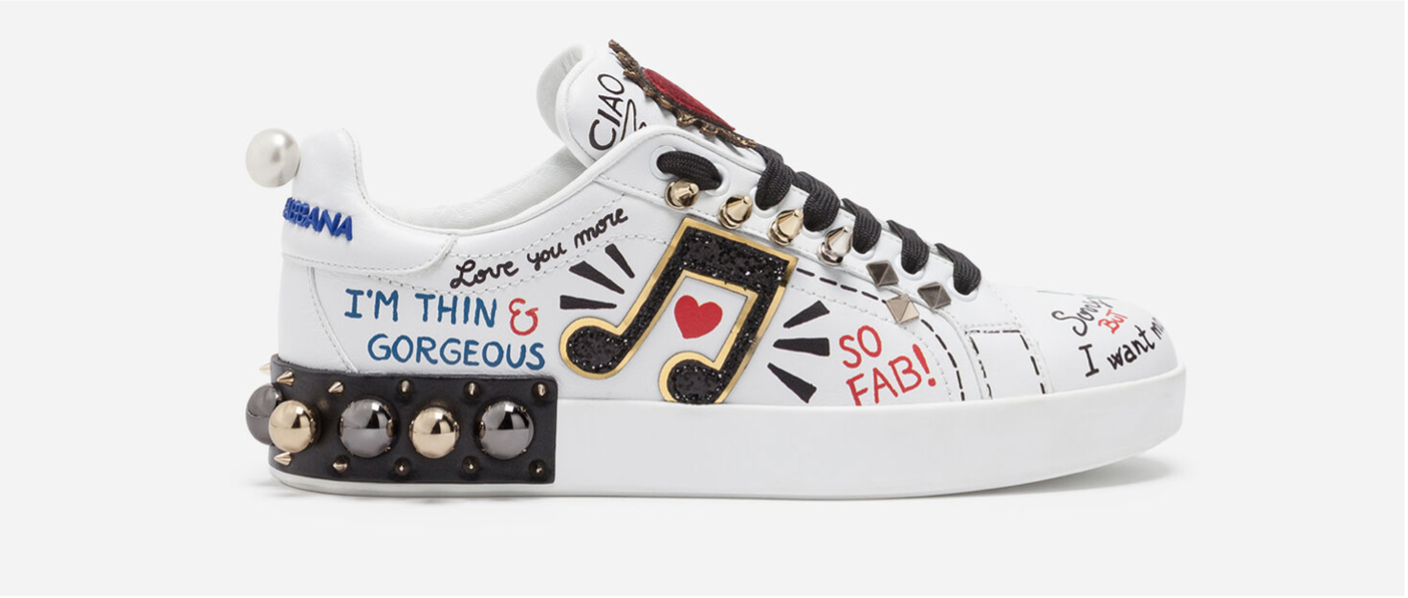
Dolce & Gabanna, the luxury company known for its Mediterranean style, is also missing the mark. In 2017 a sneaker hit the market that caused a commotion in the marketplace. The sneaker retailed for $973 remarked, “I’m thin and gorgeous” in large font on the side of the shoe. The shoe was first released to the public at Milan Men’s Fashion Week. Not only did this shoe reveal a lack of body inclusivity it directly reflected back on the brand and its image.

“Though there may be an element of cheeky humor at play in the design of these sneakers, equating thinness and beauty with success and status is a message that hurts everyone.”

Claire Mysko, CEO of the National Eating Disorders Association

Dolce & Gabanna’s designer, Stefano Gabanna, responded to comments that seemed to only make the situation worse. Gabanna went to social media to repost articles that addressed the sneaker in a bad light. Gabanna’s Instagram caption responding to this issue said, “When idiocy distorts reality…next time we’ll write LOVE TO BE FAT AND FULL OF CHOLESTEROL…the most stupid post ever.” Not only did Dolce & Gabanna spark a sensitive topic with this shoe they also seemed to have no initiative in addressing the matter at hand.

The Necessary Change Today

These fashion companies have not only failed in their PR strategy but also their loyal customers. Maybe the solution is not with the strategy but within the company itself. Many companies forget the importance of adjusting to our evolving world. Opening your brand to changes also opens the door to more successful campaigns. We know that change is necessary and companies in the future need to react to these failed processes and learn from them.

Many steps can be put in place to prevent these pr strategies mentioned from happening again. Some strategies to follow when developing a campaign include understanding your target audience and their wants and needs, being sensitive to tough topics and issues, bringing in multiple ideas and diverse opinions when formulating a new campaign, and being open to change. Every PR campaign is different and discussing the bad may ultimately form the good.

Sources:

https://www.forbes.com/sites/retailwire/2022/07/13/hm-case-shows-how-greenwashing-breaks-brand-promise/?sh=2a58fa5a1171

https://www.popdust.com/victorias-secret-failed-rebrand-2657667356.html#:~:text=The%20Rebrand%20To%20Fail%20All,legs%20and%20a%20flat%20stomach.

https://www.businessinsider.com/dolce-and-gabbana-responds-to-critics-of-his-thin-and-gorgeous-shoes-2017-4#:~:text=The%20INSIDER%20Summary%3A,’m%20thin%20%26%20gorgeous.%22

https://www.teenvogue.com/story/dolce-gabbana-thin-and-gorgeous-shoes

www.forbes.com/sites/rachellebergstein/2017/04/26/is-fashion-experiencing-its-own-pc-backlash/?sh=3c79ab494edb

By Kianna Rodriguez

Shaking Up the Consumer 

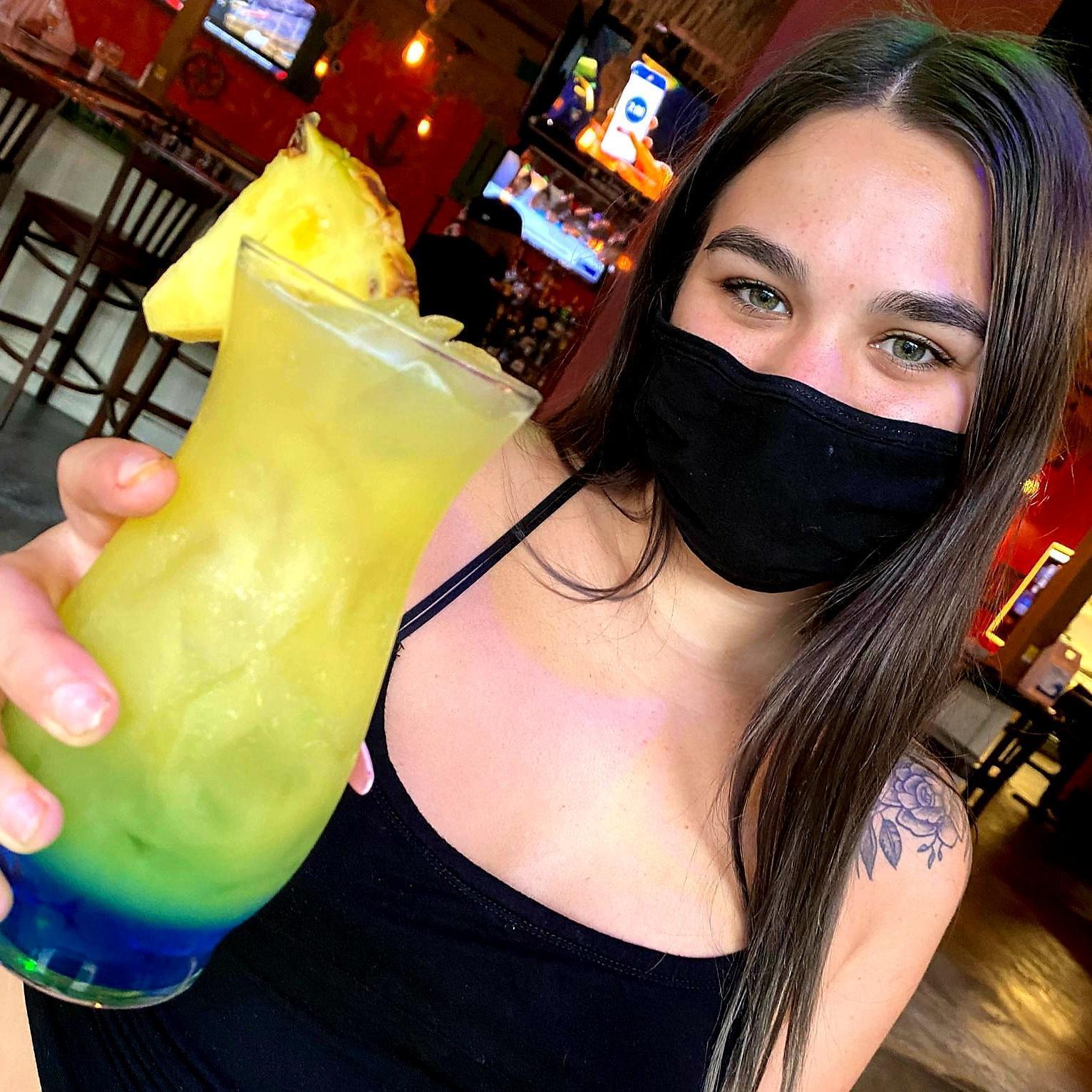
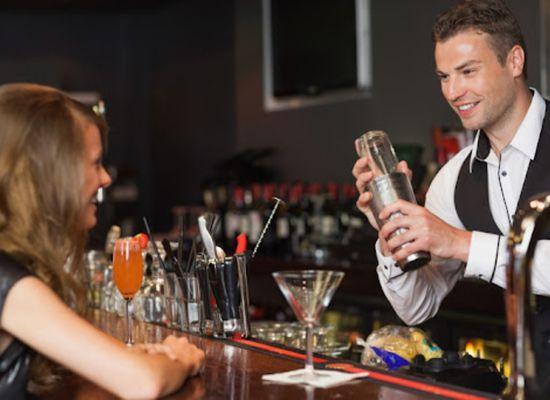
As a bartender, I understand that the job isn’t just about mixing a great cocktail. Customer relationships are at the heart of what I do. Bartenders possess not only drink-making skills but the ability to connect with customers through conversation and advice. Bartenders possess a special skill, almost a superpower called listening. Bartenders listen to feedback on drinks and learn what makes customers tick. We listen to customers’ thoughts and motivations. By engaging in conversations with them about any topic that they want to cover. People come in and talk about various topics from their relationships, friendships, and work life to home life, politics and more. As a budding advertising and public relations professional, I can see how this deep dive into the feelings and thoughts of the customer should inform my work.

Creating a Meaningful Relationship 

We listen to the customer and learn their favorite things, their careers, their background, and their hopes and dreams for the future. But we also learn about what they fear in the world, from people to places to things. Taking in all this information is beneficial to my college career as an advertising and public relations student. Why? Because I can see a deep understanding of the consumer as the only way to help a brand connect on a meaningful level. I can help brands find new ways to connect with customers.

All brands need to find a way to connect to their customers on a different level. For example, Dove released a campaign called “Reverse Selfie”  which showed the effects of social media standards on young women. Young girls heavily edit their pictures and constantly stare at themselves in the mirror. Now when they are looking in the mirror they are not admiring their beauty but judging their imperfections. But Dove knew the new generation was getting impacted by beauty standards and how girls “should look.” They showed, in reverse, how girls don’t need to live up to unrealistic standards.

The campaign aimed to “reverse” the negative effects of social media on young girls. 

Another example is Apple’s campaign called “The Underdogs” which shows a team of four at a company creating the design for a round pizza box and presenting it to their boss in short order. Apple knew they had to connect to people in a new light and chose to do this campaign about how Apple can help people succeed with their products and software. They knew they had to connect to their audience in a different way, they knew people worked hard to reach their goals and they showed that their company is here to help the consumer achieve their specific goal. Apple shows that their merchandise is to help people that want to achieve their goals. They show in the video how to use almost every Apple product and the capabilities of the products, like tools that can be used for work to be more productive. 

Listening to Consumers

These brands listened to their consumers. They learned how to connect with them on a deeper level. They learned what motivates customers to behave in a certain way. Being the right type of account planner means finding the right motivation to influence a campaign. As a bartender, I listen to what concerns people and what excites them. I take that back to my advertising and public relations classwork. I find a deeper, meaningful way to connect to consumers. Finding that deeper connection means consumers express a higher level of customer satisfaction and loyalty to the brand. I take this information and help our campaigns engage consumers on a deeper level. My job as a bartender helped me engage consumers and understand their feelings and emotions, which really matters for the work we do at The Martin Hall Agency.

Dove. (2021, April 20). Dove | reverse selfie | have #theselfietalk. YouTube. Retrieved October 27, 2022, from https://www.youtube.com/watch?v=z2T-Rh838GA 

Apple. (2019, April 2). Apple at work – the underdogs. YouTube. Retrieved October 27, 2022, from https://www.youtube.com/watch?v=G9TdA8d5aaU 

Rawat, A. (n.d.). 10 ways bartenders can self-learn & improve their skills. Bartenders Business. Retrieved November 1, 2022, from https://bartendersbusiness.com/en/articles/insights-1/10-ways-bartenders-can-self-learn-improve-th

Prange, J. (2022, February 9). Bartending 101: Conversation do’s and don’ts for bartenders. TouchBistro. Retrieved November 1, 2022, from https://www.touchbistro.com/blog/conversation-do-s-and-don-ts-for-bartenders/ 

eir-skills-335.htm 

By Jillian Peyton

Establishing a unique, memorable brand is not easy in today’s highly competitive market. The media landscape is evolving daily, and creative teams struggle to match the pace of change while maintaining a unique identity that matches their brands’ identities.

All the while, brands trying to emulate the latest trends risk being outperformed by competitors with similar messaging. For real success, a brand must outwit, outsmart and be more imaginative than its competition. On top of that, a brand must beat others to the punch. 

According to a study by The Center for Generational Kinetics, Gen Z, consisting of those born between 1997 and 2010, is the most “Internet-dependent generation,” and therefore, the generation with the most exposure to digital media. Understanding the latest trends is second nature for Gen Z, which has unbeatable expertise in the ever-changing media landscape.


“A brand is the set of expectations, memories, stories and relationships that, taken together, account for a consumer’s decision to choose one product or service over another.”

 – Seth Godin


How Gen Z Can Help Your Brand

Because of Gen Z’s youth, you may hesitate to trust them with the fate of your brand’s success. However, Gen Z is the first generation of true digital natives, and those with an interest in marketing and communications have the potential to revolutionize your brand’s image.

Having always grown up with the Internet and social media, Gen Z is accustomed to the constant development of new media platforms and shifting consumer expectations. Gen Z is already known to quickly adapt to new social media trends and corporate social responsibility expectations.

Social Media Trends

Gen Z is familiar with all social media platforms, including Facebook, Twitter, YouTube, Instagram, Snapchat, TikTok and BeReal. As social media platforms come and go, Gen Z quickly adapts and creates engaging content.

For consumers to be receptive to brands, creative teams must recognize social media’s capability to bridge the gap between brands and consumers. Gen Z appreciates this element in their own targeted messaging, and according to Sprout Social, Gen Z hopes to “interact with brands beyond the storefront.” 

Recognizing the need for brands to connect more with consumers on a personal level, Gen Z marketers only beginning their careers have already implemented this strategy in their content, simultaneously affirming their undeniable creativity. 

For example, Duolingo, an app for learning languages through self-paced lessons, has a TikTok account managed by Zaria Parvez, a Gen Z marketer who graduated in 2020. Duolingo targets Gen Z consumers through its TikTok, and its content distinguishes the brand from competitors through humorous (and unhinged) videos.

As of October 2022, Duolingo’s TikTok has 4.9 million followers, and the account has earned more than 97 million likes. None of the brand’s competitors, such as Rosetta Stone (430 TikTok followers) or Babbel (22,300 TikTok followers), distinguished themselves in such an organic, creative way that ignited consumer engagement and interest.

By choosing Parvez to manage its TikTok, Duolingo recognized the potential of a Gen Z marketer to creatively revolutionize its brand and help it stand out amongst competitors.

Corporate Social Responsibility

People of all ages expect brands to engage in authentic corporate social responsibility. In response, brands like Patagonia have increased their efforts to improve sustainability and support underserved communities.

According to public relations firm Edelman’s research, 70% of Gen Z is involved in a social or political cause. Across the globe, Gen Z has been at the forefront of political activism, including movements such as March For Our Lives and School Strike for Climate.

Gen Z is passionate, unafraid to stand up for its beliefs and can emphasize your brand’s dedication to social responsibility and change through actionable and authentic means.

Some companies may be wary of the possibility of invoking criticism by establishing the social responsibility important to their brand; however, in the long run, people remember actions better than words. Allowing Gen Z to align your brand with the company’s most meaningful causes will essentially be both rewarding and unforgettable.


Next Steps: Trust Gen Z to Make Your Brand Remarkable

We know trusting young advertising and public relations professionals with your company’s image can be daunting, but the outcome will surprise you.

Your company needs the support of a team who truly understands the shifting intricacy of the media landscape. Gen Z not only understands change, but they thrive with it. Without missing a beat, Gen Z can learn how to succeed with any new media platform and connect with your audience by understanding their most important needs.

Creative teams worldwide are trying to accomplish the same goal for their brand, making it increasingly difficult for any brand to catch the public’s interest. Simultaneously, the public is growing increasingly distrustful of any brand messaging, instinctively ignoring most brand messaging they encounter.

Gen Z understands this mindset, and they can easily distinguish between authenticity and baseless promises. Further, Gen Z is the first generation of true digital natives accustomed to constant change, innovation and shifting consumer expectations.

Because of this, Gen Z understands worthwhile content, and they know how to produce and deliver it through your brand in the best possible way. With so many competitors seeking the same outcome, Gen Z’s unmatched confidence and creativity are priceless.

By allowing Gen Z to take the reins, your up-and-coming brand can undergo a positive transformation, cutting through the noise of competitors and catching the eye of your audience.

Up ↑