By Jolynn Allinger, Sophie Stanley, Isabella Dill, Robert Wolfgang
The Challenge
In Appalachia, Generation Z demonstrates a concerning disinterest in voting and civic
engagement. The Project Heard campaign tackles this issue head-on by reaching out to
Generation Z in Ohio, Pennsylvania, Tennessee, and West Virginia. Through fostering open,
nonpartisan dialogue and promoting voter participation, the campaign strives to offer
accessible resources. These resources aim to establish a welcoming environment for obtaining
information and inspiring young individuals to use their voices in the upcoming 2024 election
and beyond.
Research Methods
The Project Heard team researched Generation Z’s overall sentiments about politics and civic
engagement in preparation for developing an effective campaign. While conducting primary
and secondary research, the team asked questions and met with the audience to determine
what influences their civic involvement. The methods of research included:
● Content analysis of online voting and civic engagement resources
● Focus groups with members of Generation Z
● Interviews with community members
● Online survey distributed to members of Generation Z in the states West Virginia,
Pennsylvania, Ohio, and Tennessee
With most of the target audience getting their information from social media, we realized we
must formulate a campaign that breaks through the audience’s regular feed. Implementing a
digital ecosystem with a social media presence and a website provides easily accessible
information regarding civic engagement for each target state.
Further, research confirmed that the obstacles of poor civic education and societal stigma
required a resource with nonpartisan and easily accessible information to learn from.
Understanding the audience’s needs and already established sentiments helped the team
prepare strategies and tactics for the campaign.
Finally, the team learned that many see politics as a partisan issue and have no safe space to
participate in dialogue, even though most of the audience desires to engage.
Research Findings

Target Audiences
Following the team’s research, three target audiences were identified: the civically engaged, the civically unaware, and the civically enraged. They all range from ages 18 to 25 but have various reasons for their levels of engagement. These range from civic education in high school to access to voting materials to their general view of politics. Understanding what influences their place in politics is key to creating specific solutions to encourage civic engagement.

The Civically Engaged
The civically engaged represent those already registered to vote and have participated in elections. They know where and how to access voting resources. This could stem from a high school education in civics or easy access to helpful community engagement. This group is most helpful in educating the other target audiences – they are usually engaged in their communities and know how to assist others.

The Civically Unaware
The civically unaware are not engaged. They don’t know how or where to access helpful information and believe their time can best be spent elsewhere. This group is typically disengaged in politics and more focused on achieving a livable wage rather than spending time educating themselves. Providing this group with the proper resources to become informed and excited to engage is a central goal of the campaign.

The Civically Enraged
The civically enraged are frustrated with voting and civic engagement. They don’t believe they have a voice in the current political sphere. This group is usually not registered to vote and doesn’t participate in elections. Convincing them they are heard and that their opinions matter is the key to leading this group to engagement. They actively voice opinions on social media, but do not think the system will ever implement the change they wish to see. This campaign aims to take their passion and shift it to engagement.
The Message
The campaign’s overarching goal is to empower individuals to actively participate in shaping their communities and political landscapes. This message is interwoven throughout all aspects of the campaign, from the initial research phase to the final deliverables. The campaign seeks to convey the idea that every voice matters, which is how the team chose the governing brand idea of this campaign:

It aims to inspire a sense of responsibility and urgency within the target audience, encouraging them to become informed, engaged citizens who contribute to the betterment of society.
The campaign’s messaging platforms include social media, a website, guerrilla marketing, and information packets. These platforms help raise campaign awareness and direct people to Project Heard’s resources.
Deliverables
The Project Heard team knew that they must first create a recognizable brand to get the message out. Then we set to work creating a host of informational, educational and unexpected strategies to meet the audience where they are and to provide resources for local leaders and partners.
Brand Guide
Project Heard curated a brand guide to keep our campaign in sync with our audience and maintain visual coherence. We involved our target demographic by surveying them to choose the name and logo. Our brand guide for Project Heard accentuates the campaign’s voice and tone, reflecting the spirit of Appalachian youth.

Website
The Project Heard team established a website to inform its target audience. Serving as a knowledge hub, this platform offers comprehensive insights into voting procedures within each state. Visitors can access various resources covering voter registration, polling locations, and upcoming elections by navigating the site. Additionally, the website facilitates community engagement by promoting participation in local events and gatherings.

Social Media
The Project Heard team also established TikTok, Twitter and Instagram accounts to connect with our target audience. These social media platforms will regularly update audiences on Project Heard’s activities and feature interactive posts. Additionally, the team developed a calendar and three months of content to maintain an active presence on social media.


Guerilla Marketing
The Project Heard team crafted various guerrilla marketing materials to hit the streets in our four target states. Resources include floor stickers, branded popcorn buckets, collectible stickers, tote bags and table tents. These materials are designed to catch our audience in everyday moments, providing them with essential voting information specific to their state. Each QR code links directly to the Project Heard website, where they can dive deeper into details or sign up for local events.


Further, informational posters were created in Project Heard branding explaining why voting is more important than most people think. Posters can be placed in restaurants, bathroom stalls, coffee shops, public transportation hubs, gyms and more.

Community Relations
The team also created numerous resources that could be used by local leaders to engage the target audience, getting the word out and creating safe spaces for dialogue.
Action Kits
As part of our efforts, we developed guides for conveners to inform them about the campaign. The kits included:
- Research insights
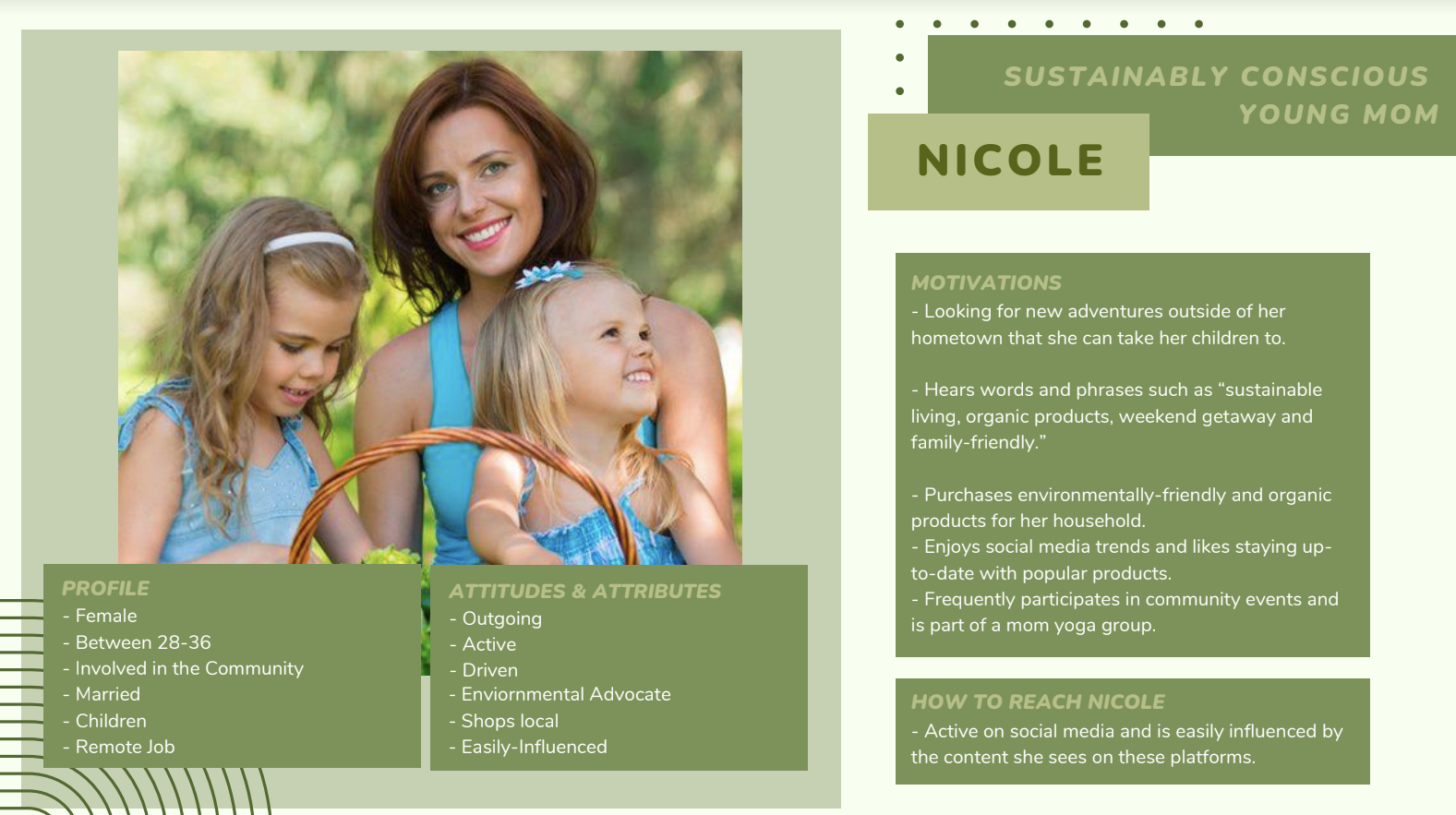
- Target audience personas
- Effective messaging for audience personas
- How to implement Strategies and Tactics
- Information about Project Heard
- Customizable press release for local media outlets

Informational Brochures
The team also developed brochures containing state-tailored and local civic information to inform audience members on important topics including voter registration, polling locations, elected leaders and absentee ballot information. These informational brochures can be distributed at:
- Listening Sessions
- Listening Sessions provide a safe and comfortable environment for each audience member to learn and ask questions from community leaders. They can be held at a VFW, community center, event center or even a coffee shop. To support local leaders’ efforts, a listening session script that details how to run a listening session was researched, developed and produced.
- Bowling Nights
- Sponsoring a night at a bowling alley will provide a space to engage with audience members through an activity. At this event, we it is recommended local leaders have a table where they provide civic education to participants through conversations, information packets and the merchandise outlined above.
- Drive-in Movies
- A drive-in movie will provide another fun and educational atmosphere. This movie does not have to relate to politics, but should tie in aspects that people might not be aware of. For example, in the new Barbie movie, societal topics such as patriarchy, societal expectations, structural barriers and gender inequality were all touched upon; these are issues that heavily influence civic engagement and politics. This is another place where local leaders can table, and provide informational brochures and merchandise.
- Trivia Nights
- Trivia nights incorporating civic-related topics into a trivia game were also recommended. To provide a fun and educational atmosphere for all, the trivia night will consist of six categories of 10 questions, a total of 60 questions. One category will relate to civic engagement, both locally and nationally, with the other five categories relating to topics such as music, television, history, pop culture, and sports. Sample trivia questions were provided to help local leaders easily employ this tactic.